


Department Overview
The Department of Microbiology is situated on the 3rd floor of Symbiosis Medical College for Women on the picturesque Lavale hill base campus. The department is well equipped to educate the national and international medical students in all branches of microbiology.

Vision
- To be a centre of excellence in medical microbiology education, research, and clinical diagnostics that contributes to quality healthcare, infection prevention, and community well-being through innovation, integrity, and evidence-based practice.
- To shape the future of healthcare by redefining microbiology education and practice through systems thinking, predictive science, and responsible innovation—creating professionals capable of anticipating, preventing, and mitigating infectious threats in a rapidly evolving world.

Mission
- Education and Training:
To impart comprehensive and competency-based education in microbiology to undergraduate and postgraduate medical students, fostering critical thinking, diagnostic skills, and a scientific temper in alignment with NMC guidelines. To deliver transformative microbiology education integrating artificial intelligence, genomics, bioinformatics, and digital diagnostics to prepare future clinicians, researchers, and public health leaders. - Research and Innovation:
To promote research in medical microbiology addressing current and emerging infectious diseases, antimicrobial resistance, and public health challenges relevant to India and global health priorities. - Clinical and Diagnostic Services:
To provide accurate, timely, and quality microbiological diagnostic services to support patient care, infection control, and hospital epidemiology. - Infection Prevention and Control:
To lead initiatives in infection prevention, hospital hygiene, and antimicrobial stewardship through interdisciplinary collaboration and policy development. - Community and Public Health Engagement:
To contribute to surveillance, awareness, and prevention of infectious diseases in the community through outreach programs, education, and collaboration with public health authorities. - Continuous Professional Development:
To enhance faculty competence and promote lifelong learning through faculty development programs, training workshops, and continuing medical education (CME) activities. - Future-Ready Education:
To cultivate analytical, adaptive, and ethically grounded medical graduates by integrating simulation-based learning, virtual laboratories, and problem-driven curriculum in microbiology. - Predictive & Precision Microbiology:
To advance the use of predictive analytics, molecular epidemiology, and precision diagnostics for early detection, risk stratification, and personalized infection management. - Integrated Clinical Partnerships:
To function as a strategic clinical partner by embedding microbiology expertise into patient care pathways, infection prevention programs, and hospital quality systems. - Microbial Ecology & Planetary Health:
To explore the interconnectedness of microbes, humans, and the environment, promoting sustainable practices and research that address climate-driven infectious diseases.
HOD Profile
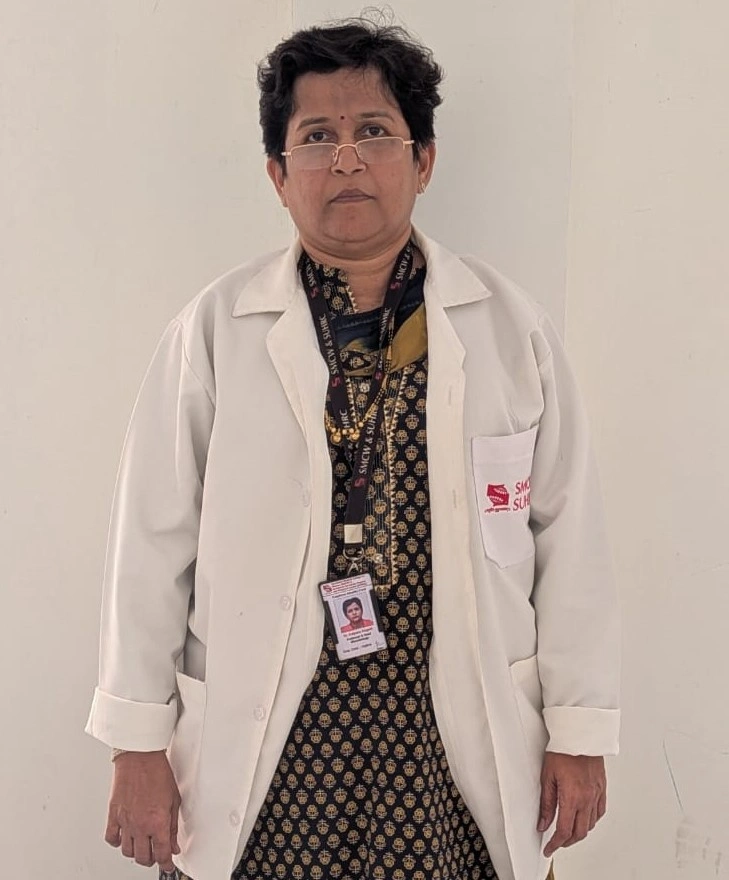
Dr. Kalpana M Angadi
MBBS, MD (Microbiology)
Dr. Kalpana M Angadi has obtained her MBBS degree from Mahadevappa Rampure Medical College, Gulbarga, Karnataka. She has obtained her MD Microbiology degree from the premier medical Institute of India acknowledged as a center of excellence for education and research, the Armed Forces Medical college, Pune. Presently she is serving as the officiating Head of the Department of Microbiology at Symbiosis Medical college for Women at Pune.
Experience
She has over 22 years of experience in academics, teaching, research and hospital infection control activities.
Awards and Achievements
She has served as an examiner in several universities for both Undergraduate and Post Graduate Medical, Dental, Nursing, Physiotherapy, and other allied branches. She has guided several post graduate students in their research work.
Her field of interests are Bacteriology, Mycology and Hospital Infection control.
She is the RT PCR Laboratory Director at SMCW.
Paper Publications:
She has published more than 34 papers in various National and International journals.
Infrastructure Facilities
The Department of Microbiology is well-equipped with modern infrastructure to support teaching, learning, research, and diagnostic services. The department functions as an integral part of the institution’s academic and clinical ecosystem, ensuring excellence in medical education and quality healthcare delivery.
Departmental Layout and Space
The department is located in a dedicated area with adequate space as per NMC norms, ensuring smooth functioning of academic and laboratory activities. The layout includes:
Faculty Rooms
Well-furnished cabins for Professors, Associate Professors, and Assistant Professors with ICT (Information and Communication Technology) facilities.
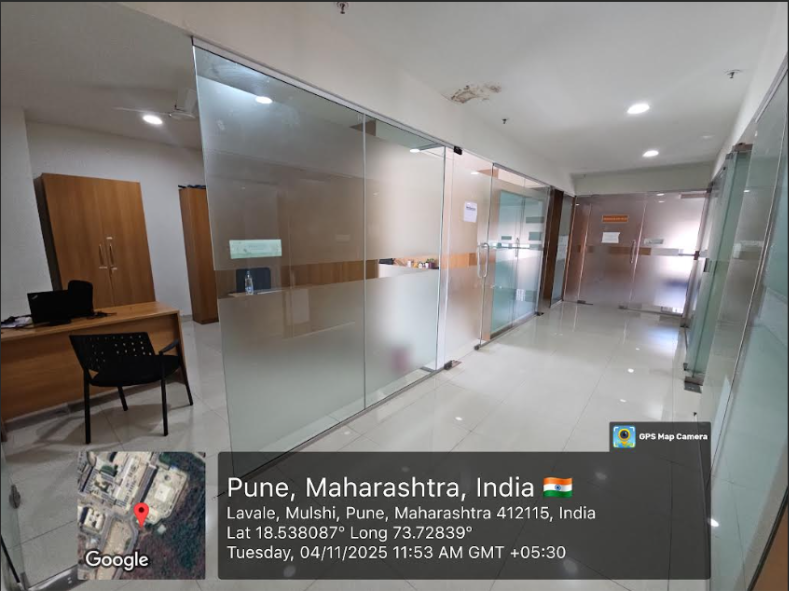
Demonstration Rooms
One demonstration room (seating capacity of 90 students), equipped with audio-visual aids such as LCD projectors, smart boards, and microscopes for group teaching.
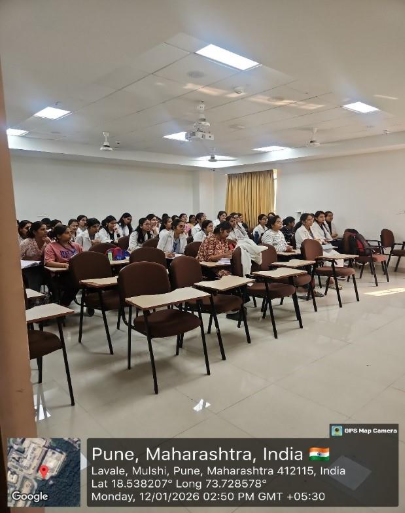
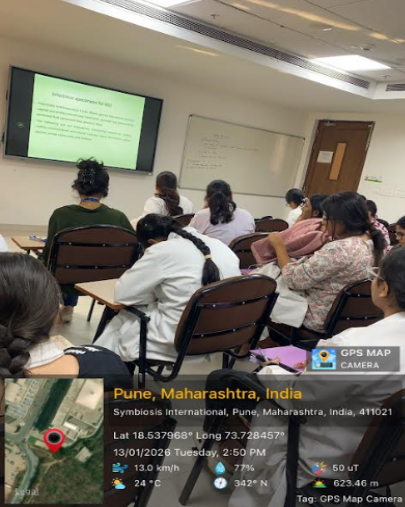
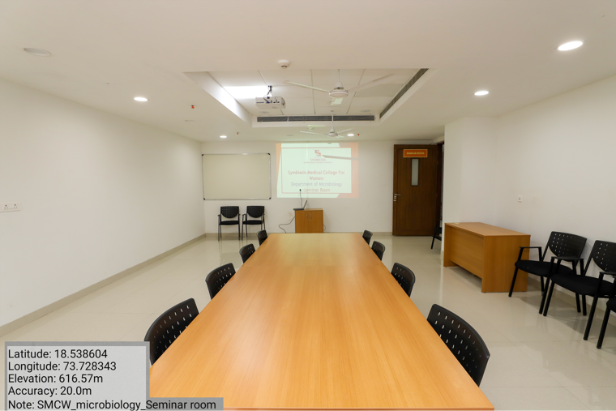
Seminar/Conference Room
For departmental meetings, seminars, and journal clubs, equipped with multimedia facilities.
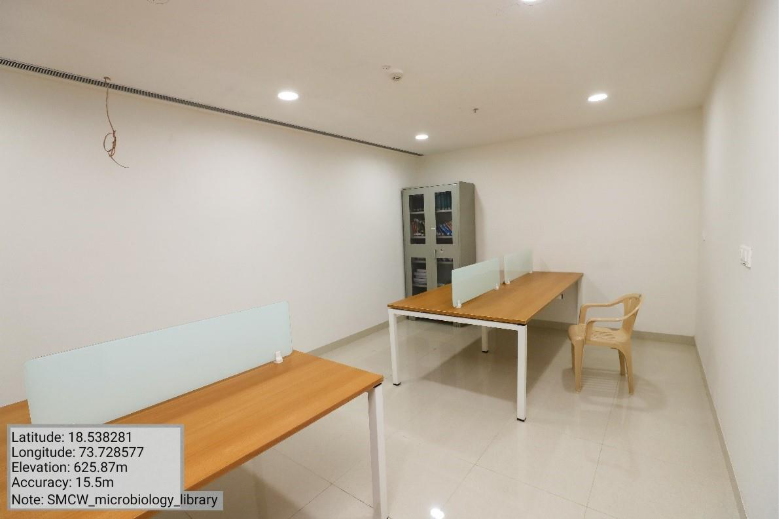
Departmental Library
A library with standard textbooks, recent journals.
Teaching Laboratories
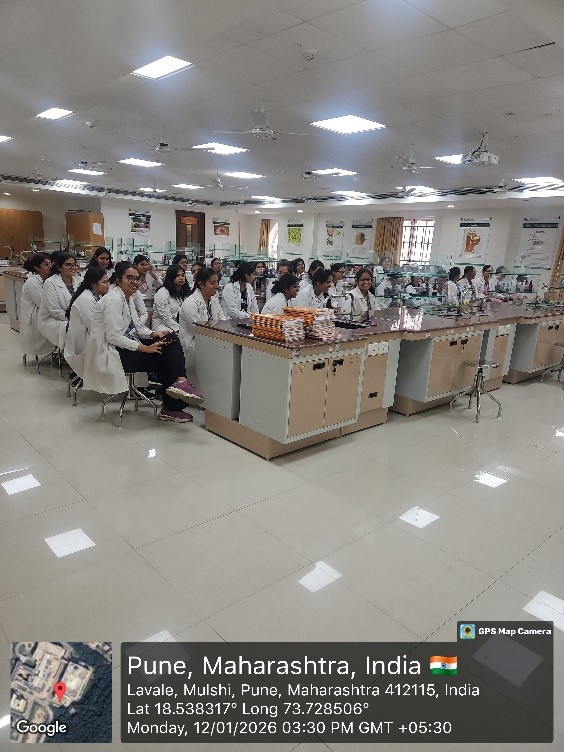
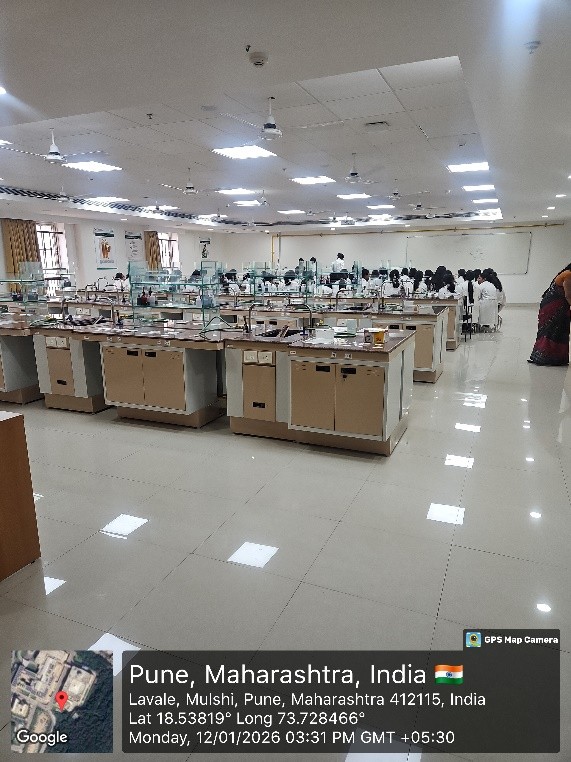
Undergraduate Laboratory
A spacious laboratory accommodating 90–100 students at a time, equipped with compound microscopes, adequate work benches with sinks and gas connections. The lab facilitates practical sessions in bacteriology, parasitology, virology, mycology, and immunology.
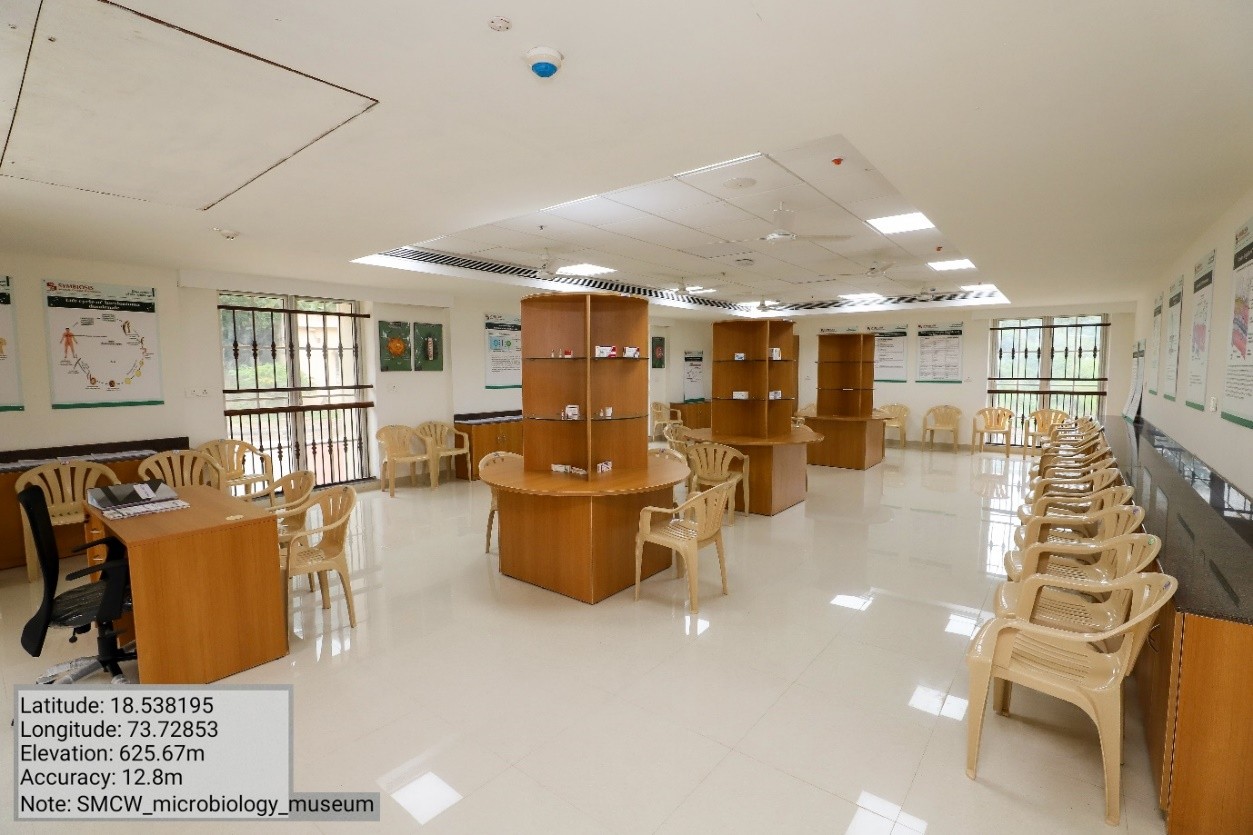
Museum
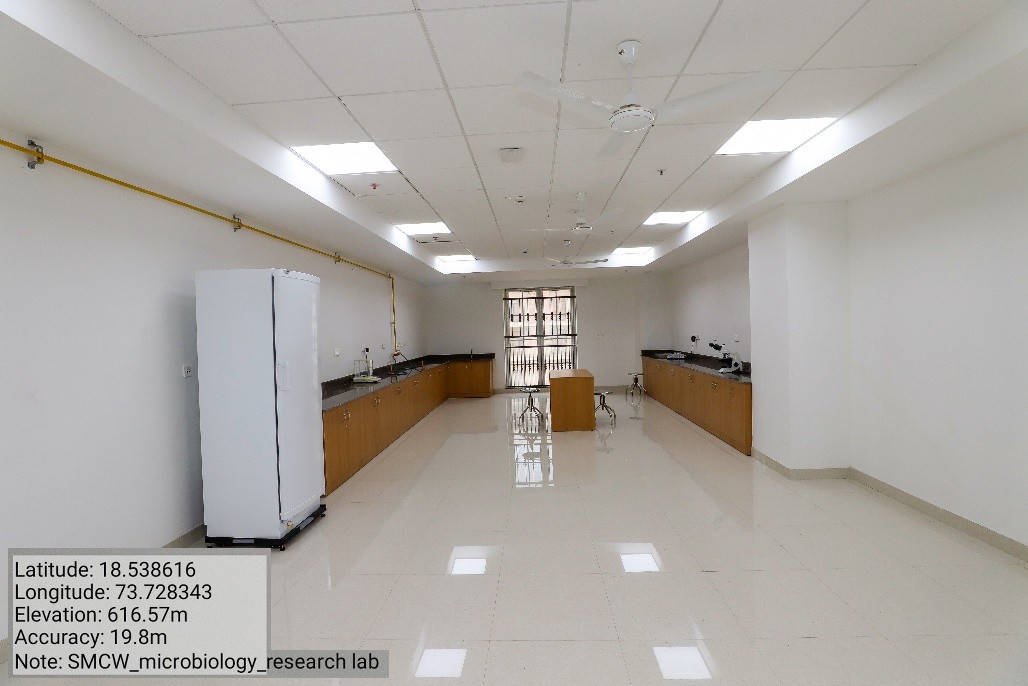
Postgraduate/Research Laboratory
A well-equipped advanced laboratory with biosafety cabinets, ELISA readers, centrifuges, PCR workstation, and incubators to support postgraduate training and research.
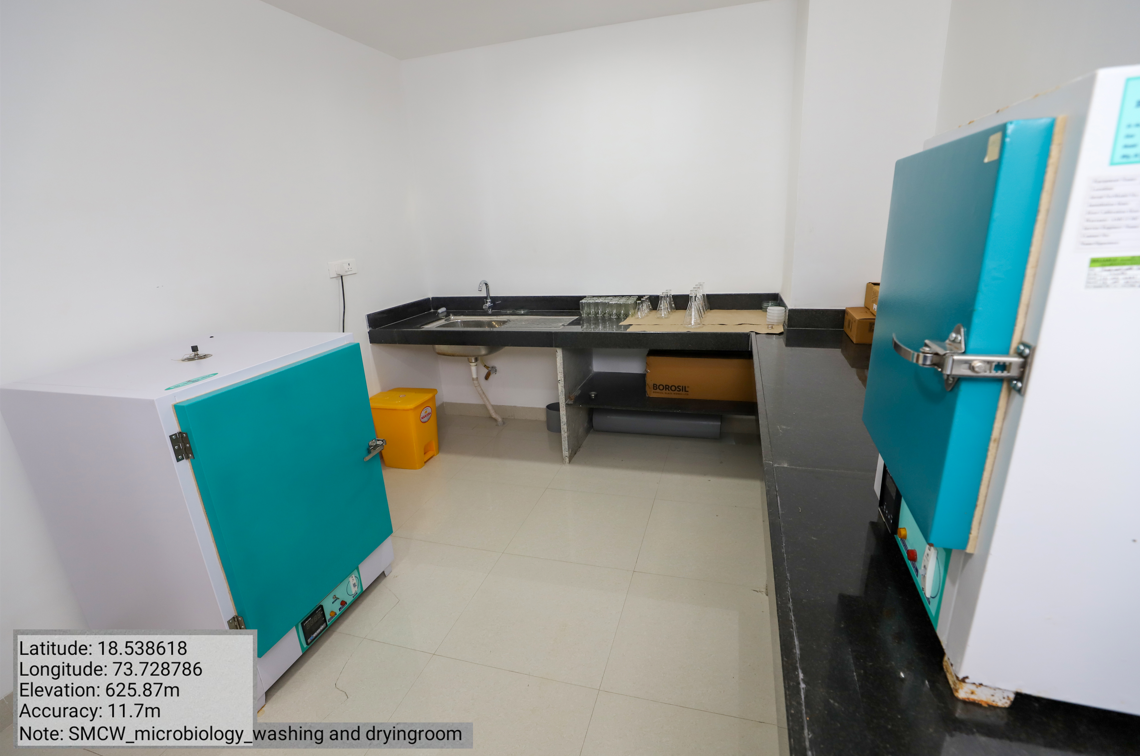
Media Preparation and Sterilization Rooms
Separate rooms for media preparation, washing, and sterilization with autoclaves, hot air ovens, and media storage facilities.
3. Diagnostic Laboratories (Hospital Services)
The department extends comprehensive clinical microbiology diagnostic services to hospital departments through the following sections
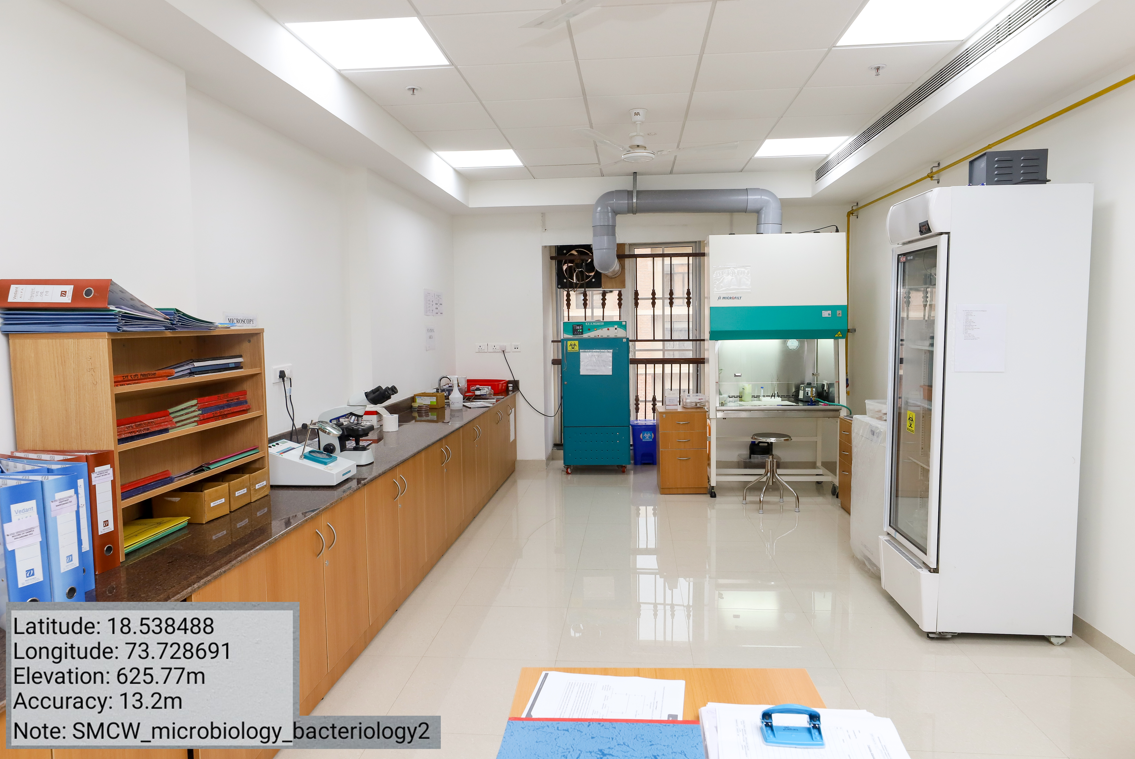
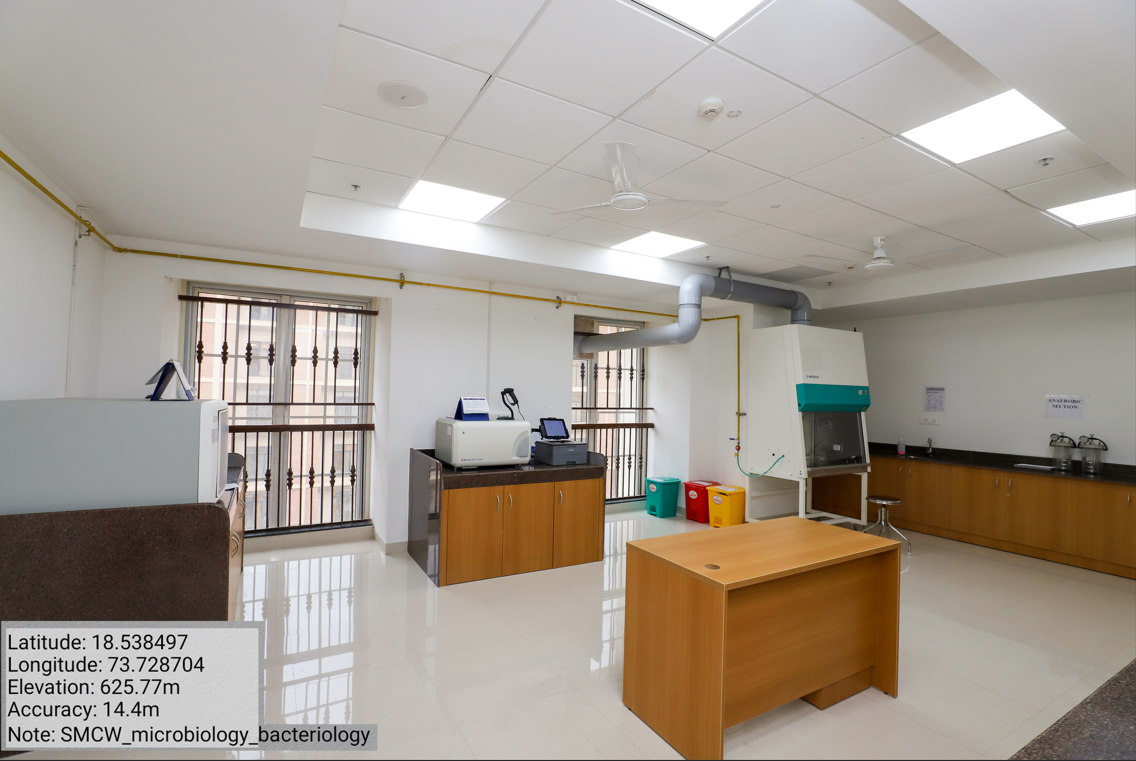
Bacteriology Section
Equipped for culture, identification, and antimicrobial susceptibility testing (manual and automated systems).
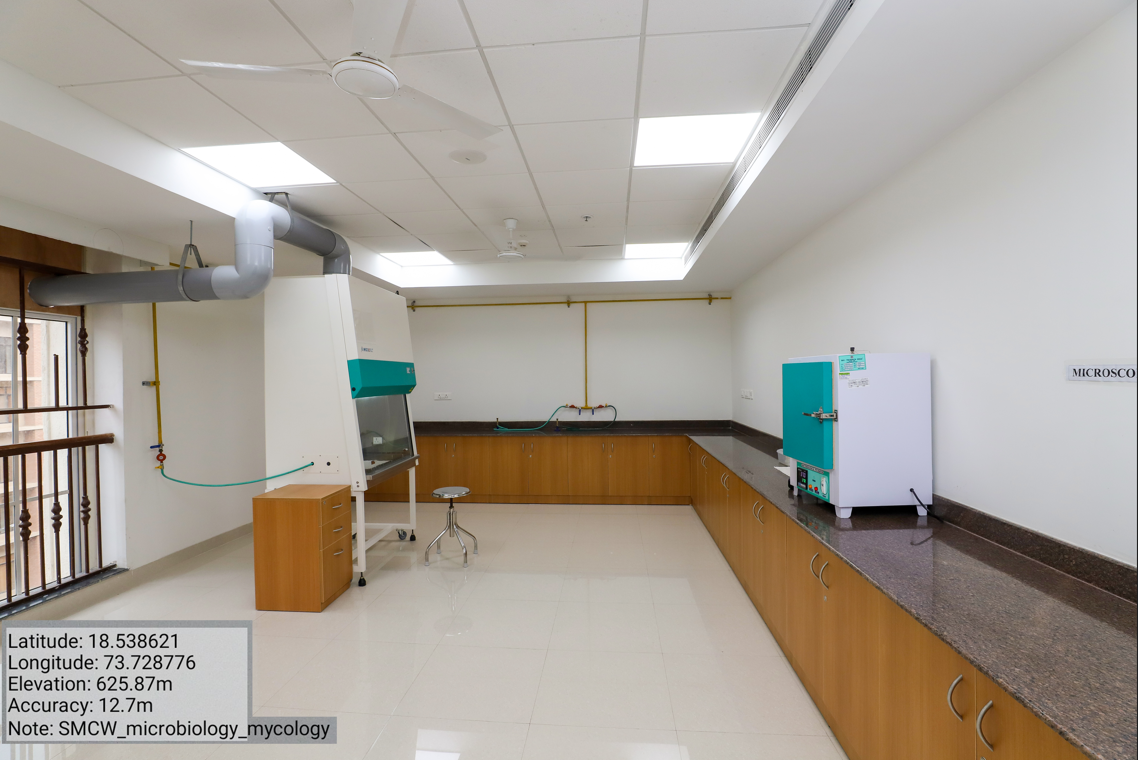
Mycology Section
For isolation and identification of fungal pathogens.
Virology Section
For serological and molecular diagnosis of viral infections.
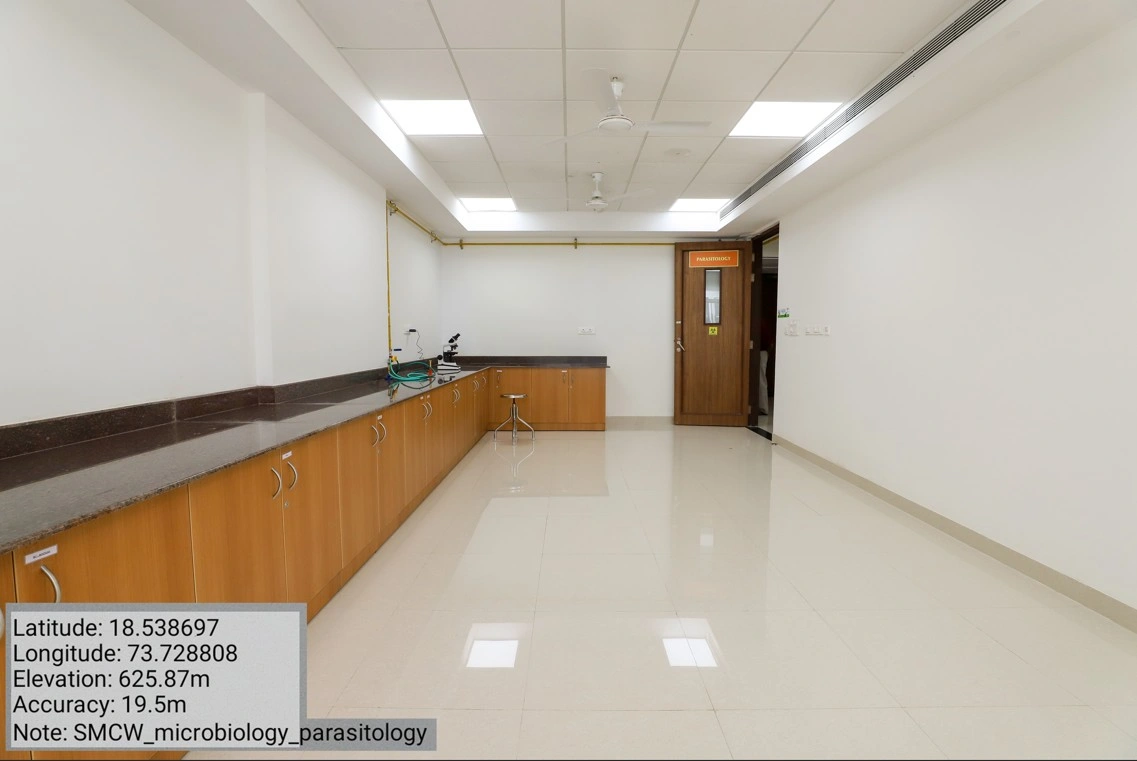
Parasitology Section
Microscopic examination of stool, blood, and body fluids for parasitic infections.
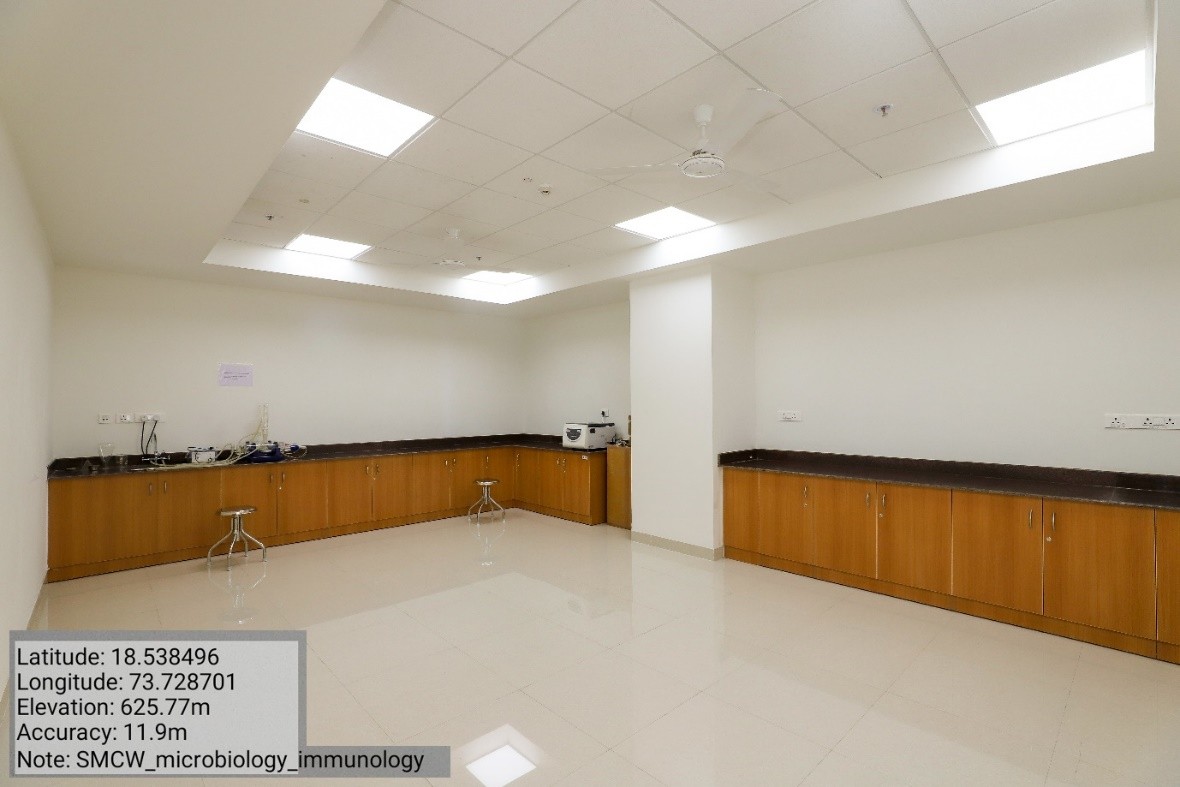
Immunology
Performing ELISA, latex agglutination, rapid tests, and other immunodiagnostic assays.
Serology
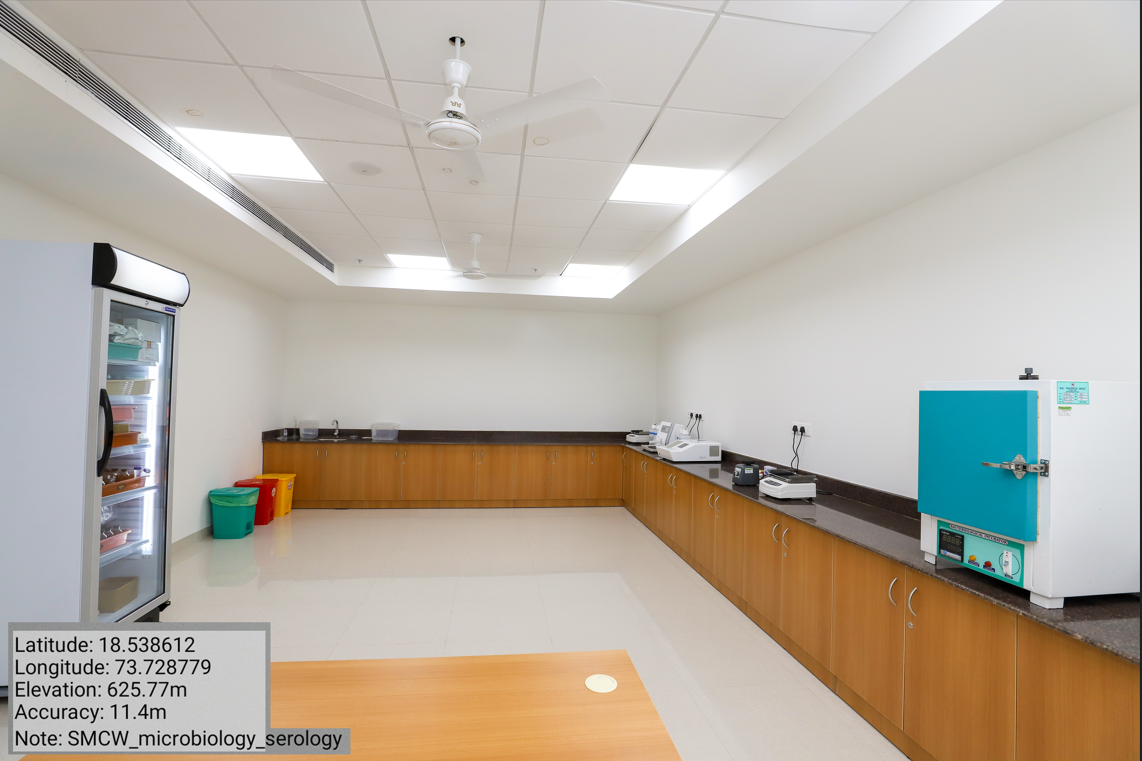
Mycobacteriology Section
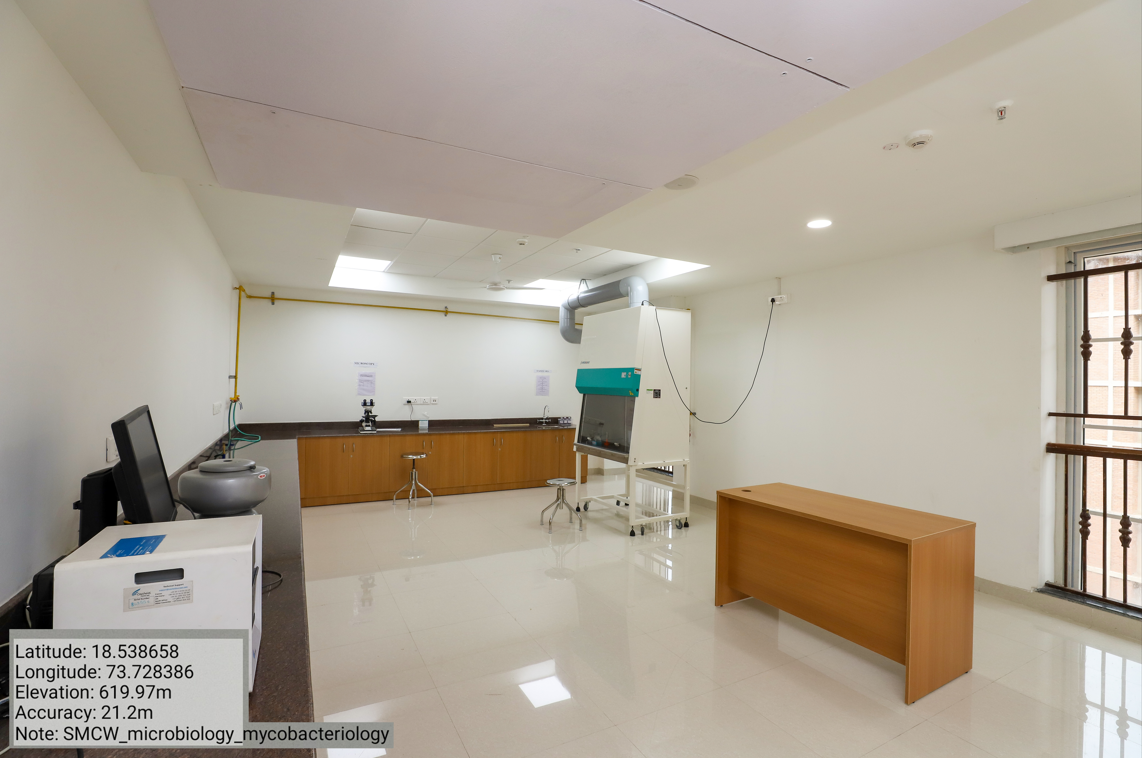
Molecular Diagnostics Unit (as applicable)
PCR-based detection of pathogens and molecular epidemiological studies.
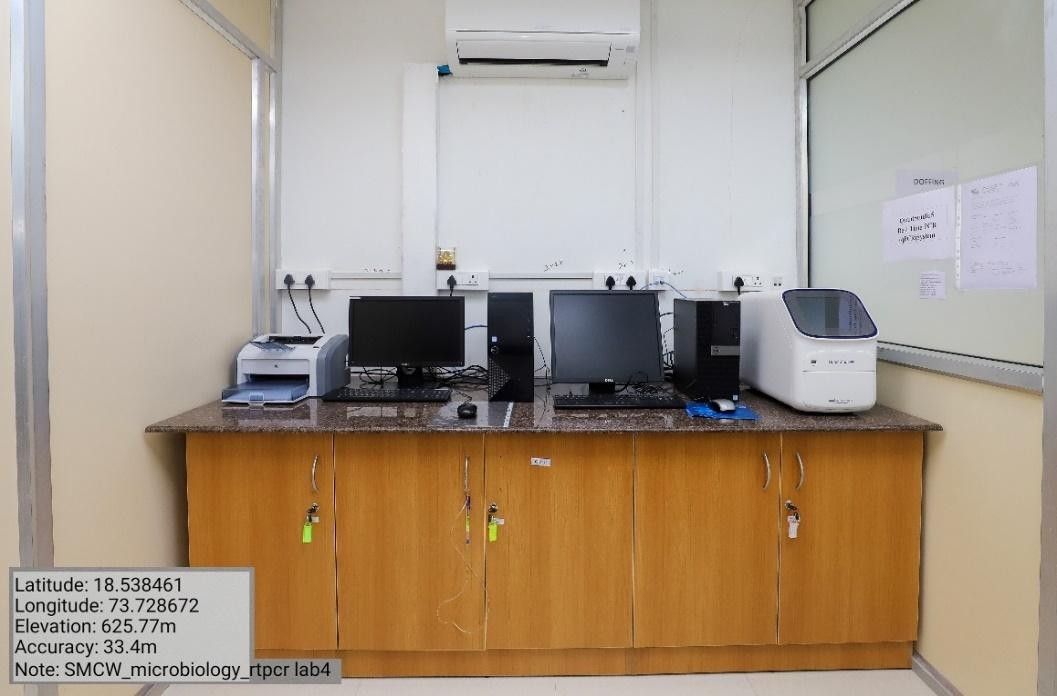
Equipment and ICT Facilities
The department is equipped with
- Compound and binocular microscopes
- Biosafety cabinet type 2A
- Autoclaves, hot air ovens, and incubators
- Centrifuges and vortex mixers
- ELISA reader and washer
- PCR machine and electrophoresis unit
- Refrigerators and deep freezers
- Automated identification and antimicrobial susceptibility testing systems (where available)
Meet Our Faculty
Dr. Kalpana Angadi
MBBS, MD ( Microbiology)
Professor & HOD
kalpana.angadi@smcw.siu.edu.in
Dr. Ketaki Pathak
MBBS,MD,PGDIPC,PGDQMHHO ( Microbiology)
Professor
ketki.pathak@smcw.siu.edu.in
Dr. Sumit Chavan
MBBS, MD ( Microbiology)
Assistant Professor
sumit.chavan@smcw.siu.edu.in
Dr. Apurva Datey
MBBS,MD Clinical ( Microbiology)
Assistant Professor
apurva.datey@smcw.siu.edu.in
Dr. Sayali Pande
MBBS,MD Clinical ( Microbiology)
Assistant Professor
sayali.pande@smcw.siu.edu.in
Dr. Shital Ghogale
MBBS, MD ( Microbiology)
Associate Professor
shital.gogale@smcw.siu.edu.in
Mr. Parvez Akhtar
MSc( Med. Microbiology)
Tutor
parveezakhtar.bidikar@smcw.siu.edu.in
Research Publications
All the faculty members are regularly involved in research and have a total of 83 publications to their credit in various National and International journals.
Services
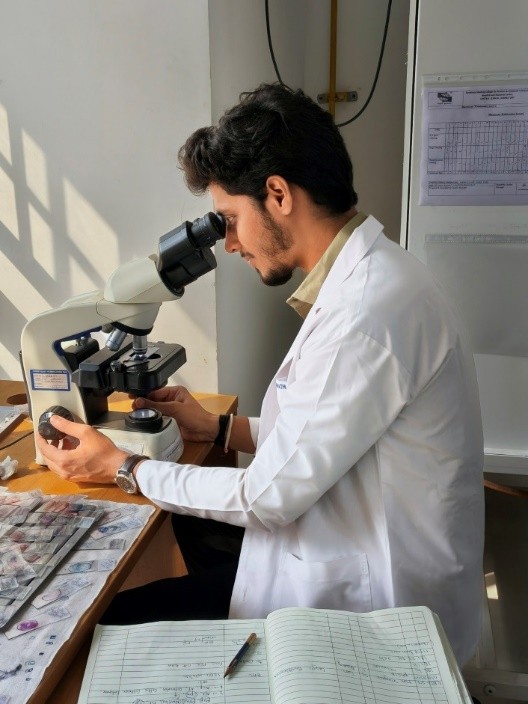
Microscopy
- Gram Stain for Bacteria
- Ziehl-Neelsen stain for Mycobacterium
- KOH mount for Fungus
- Saline and Iodine mount for Parasites
Culture and Sensitivity
- Aerobic and Anaerobic bacterial culture and sensitivity
Mycobacteriology
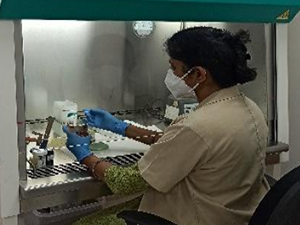
- CBNAAT (GeneXpert) for detection of M. tuberculosis and Rifampicin sensitivity
Mycology
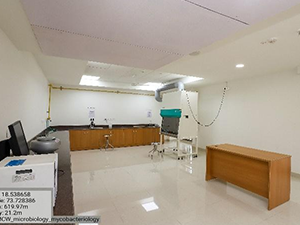
- Identification and speciation of fungus using Phenotypic tests
Parasitology
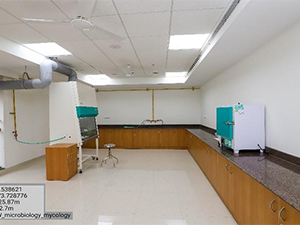
- Malaria antigen detection test- ICT
- Stool examination for Ova/cyst
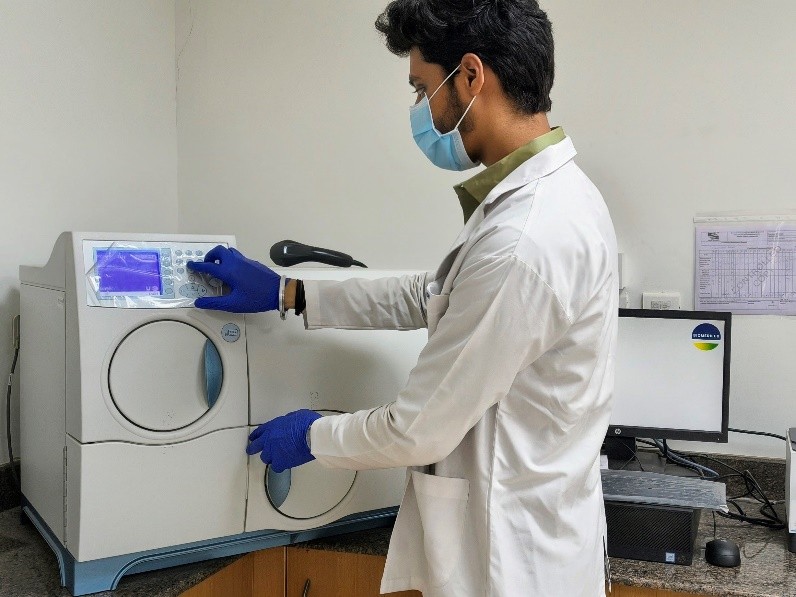
Automation for Rapid diagnosis of infections
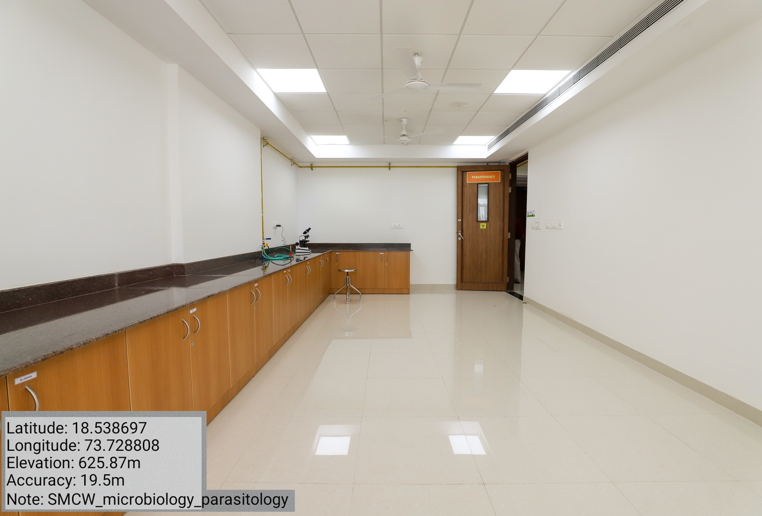
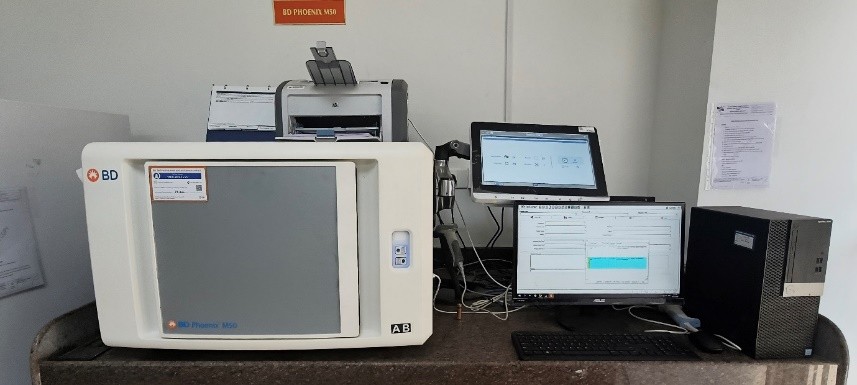
- BD Phoenix- for identification of microorganism and MIC of antibiotics
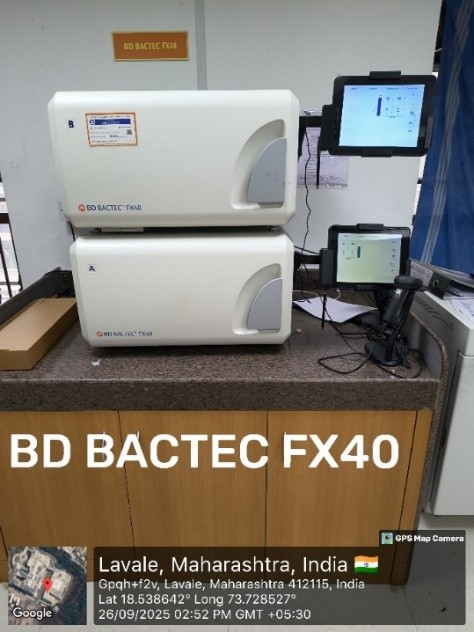
- BACTEC- For Blood Culture
Virology
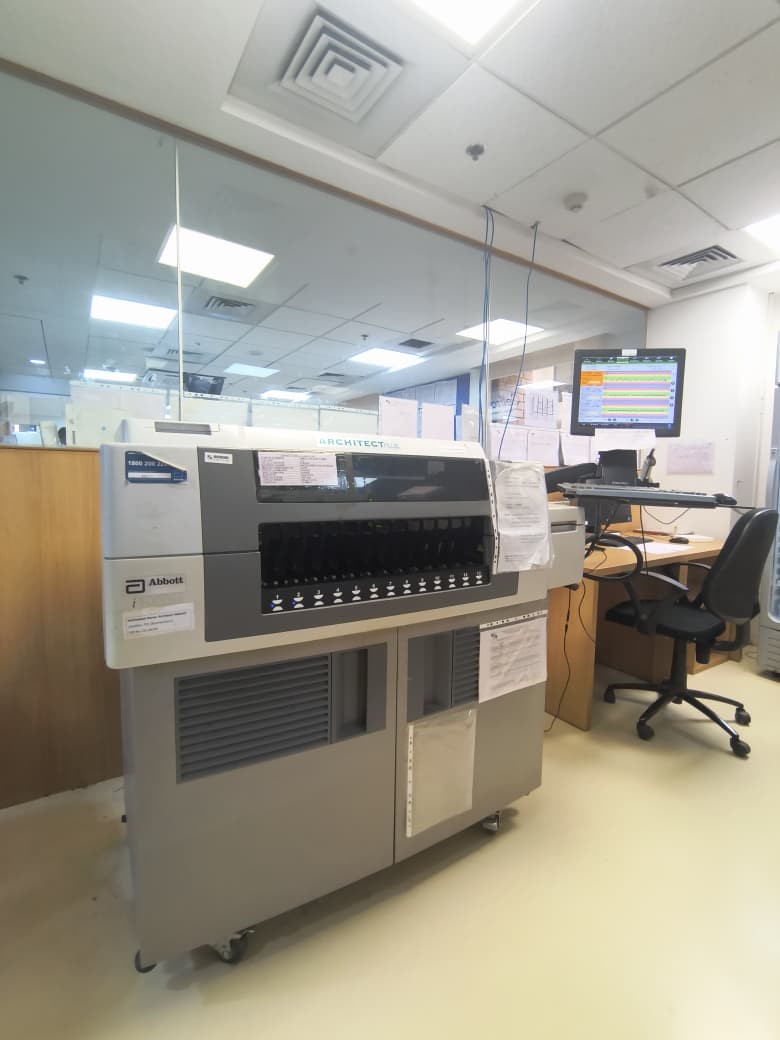
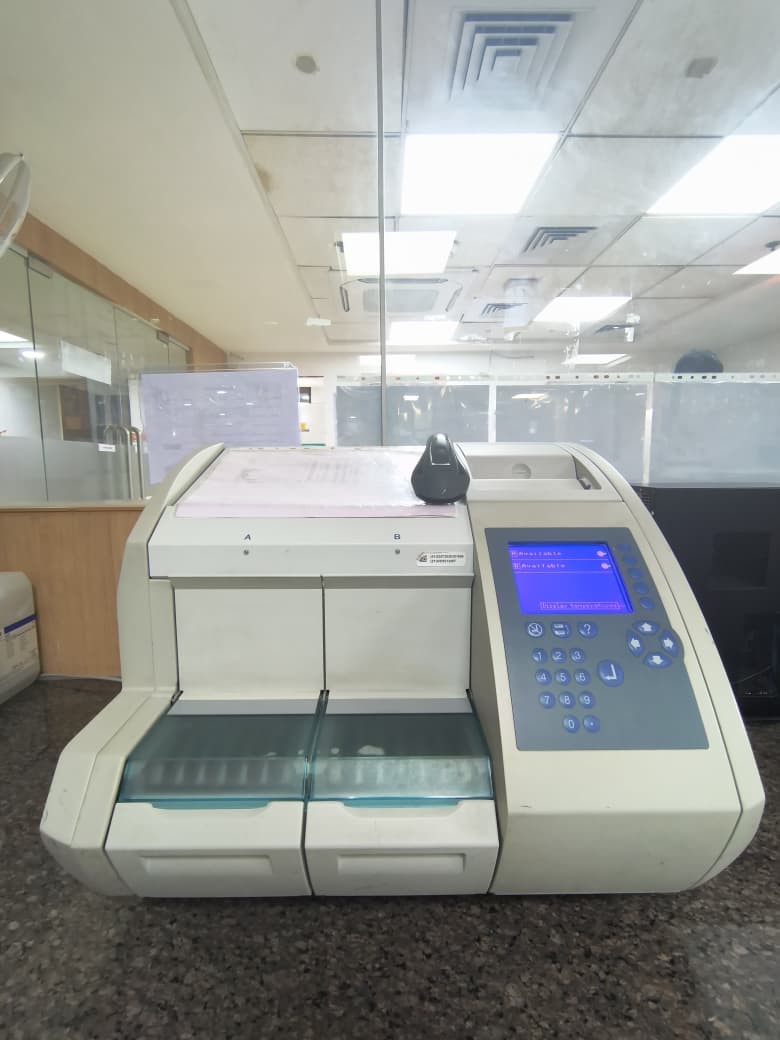
- HIV - CMIA (ARCHITECT), ELFA (mini VIDAS), ICT
- HBsAg- CMIA (ARCHITECT), ELFA (Mini VIDAS), ICT
- Anti-HCV antibody- CMIA (ARCHITECT), ELFA (Mini VIDAS), ICT
- COVID 19 Rapid Antigen test- ICT
- Anti-Chikungunya antibody - ICT
Serology
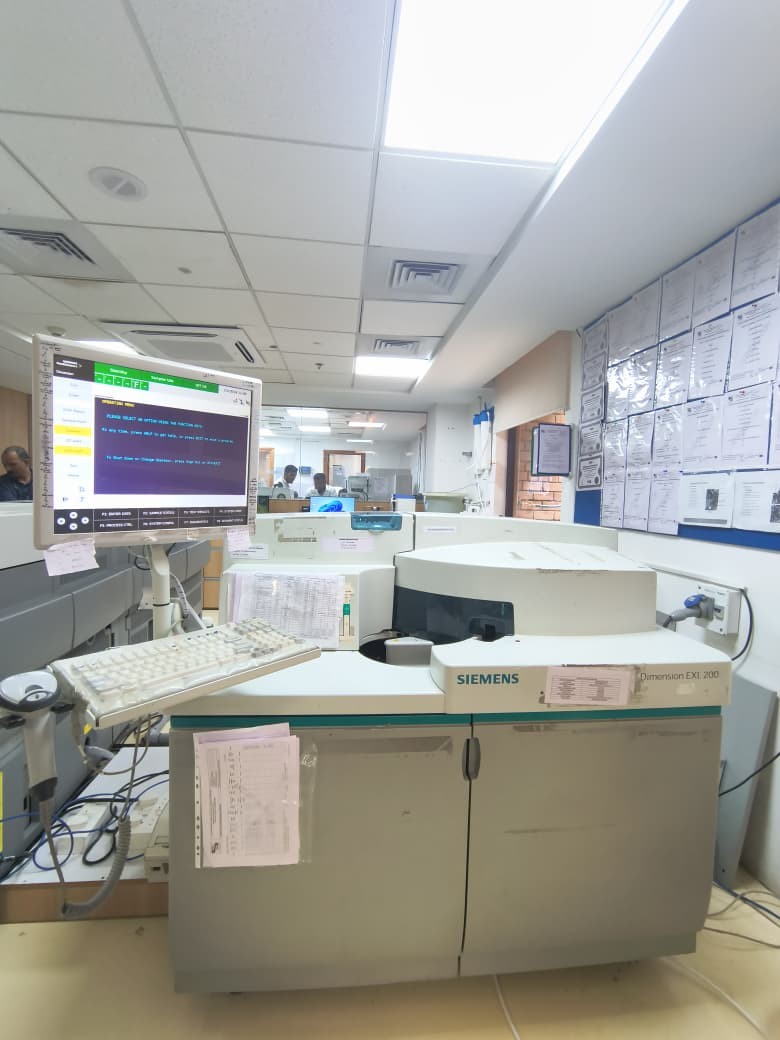
- C Reactive Protein - SIEMENS
- Procalcitonin - SIEMENS
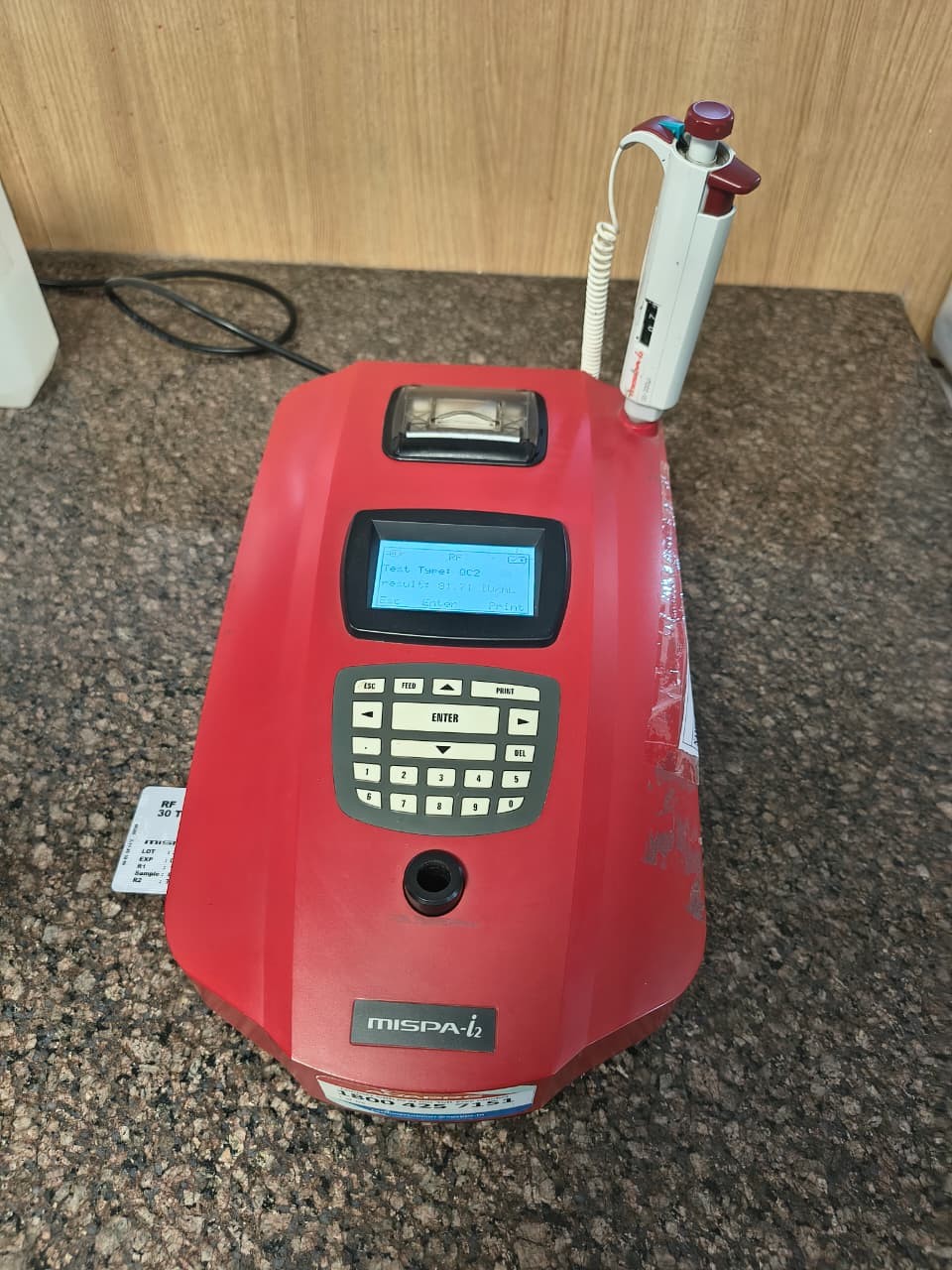
- ASO, RA Factor- MISPA
- Widal Test
- RPR test
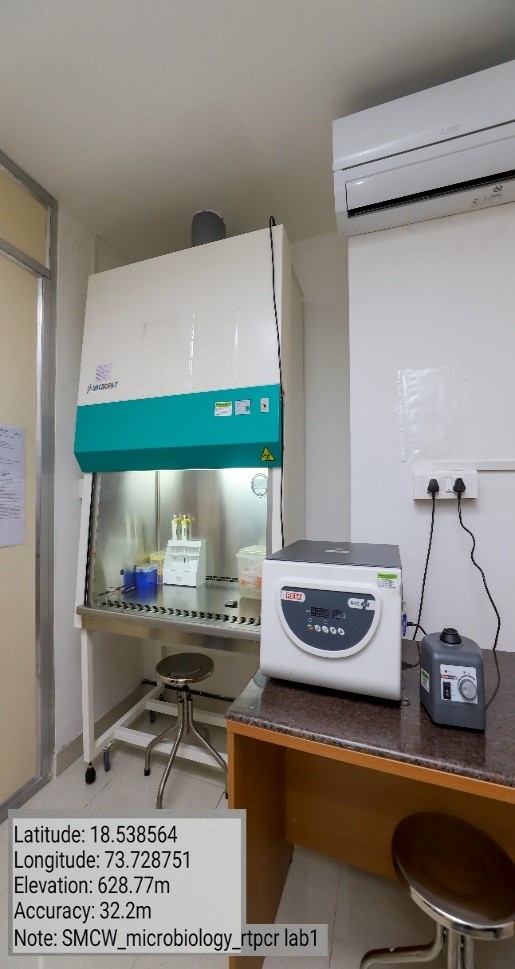
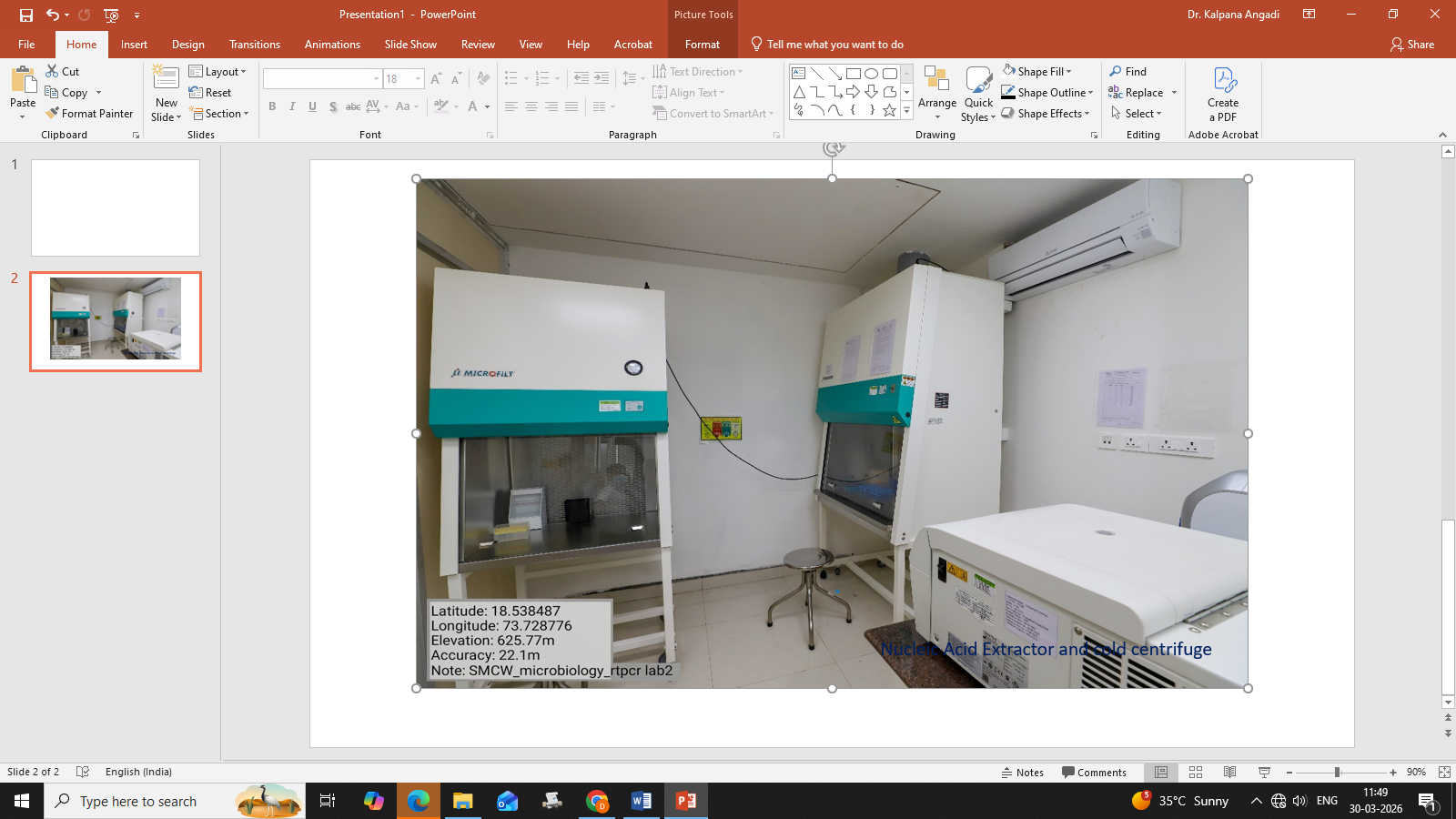
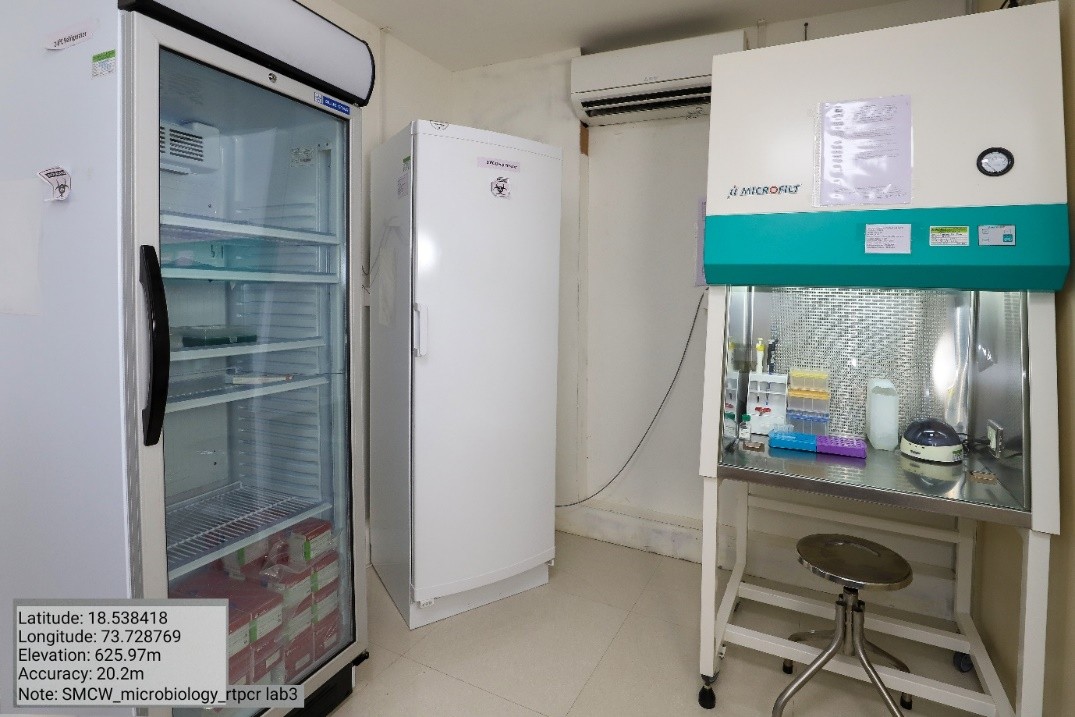
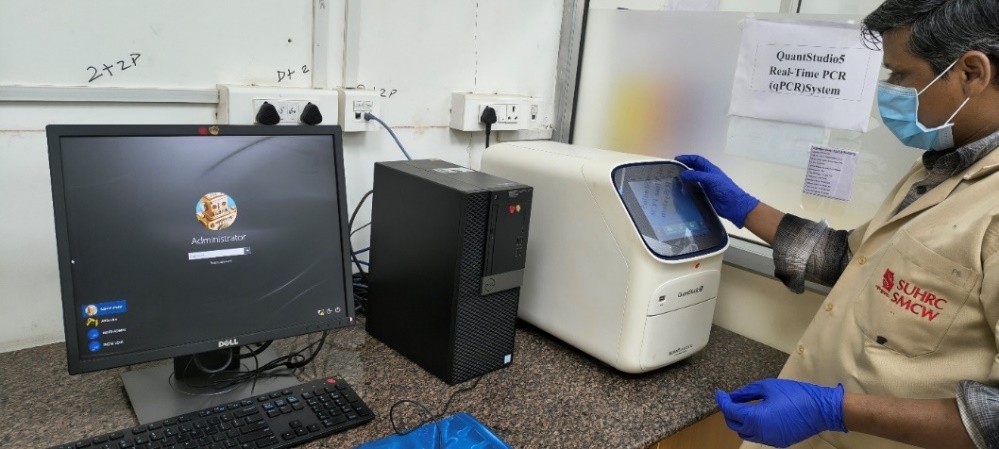
RT-PCR Laboratory
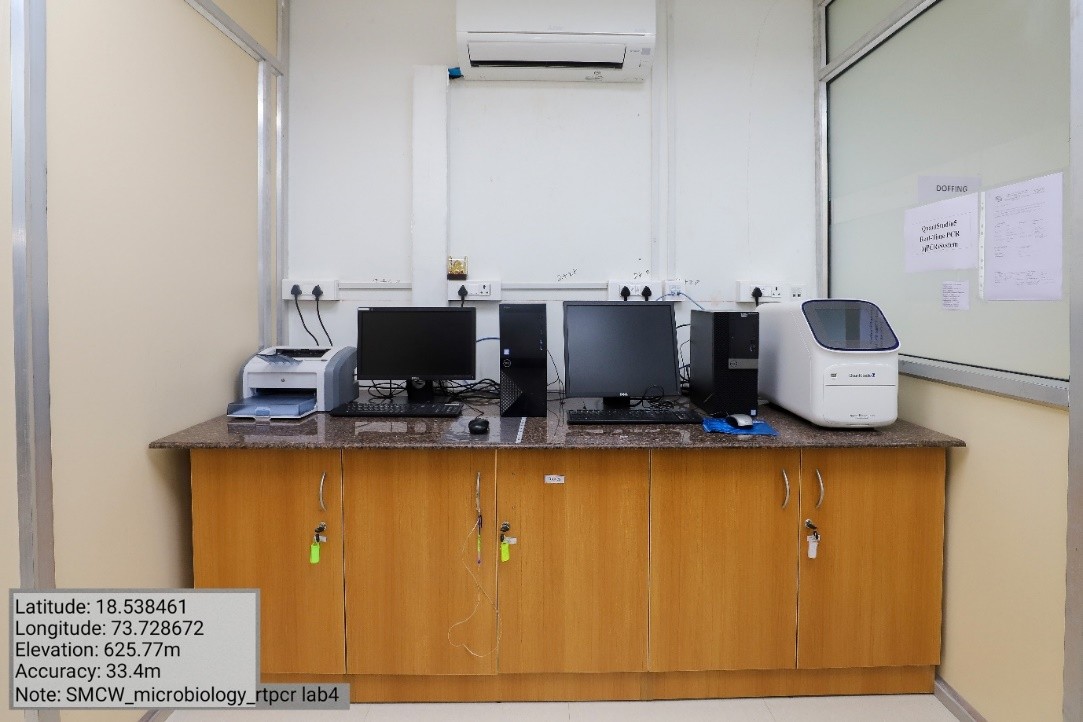
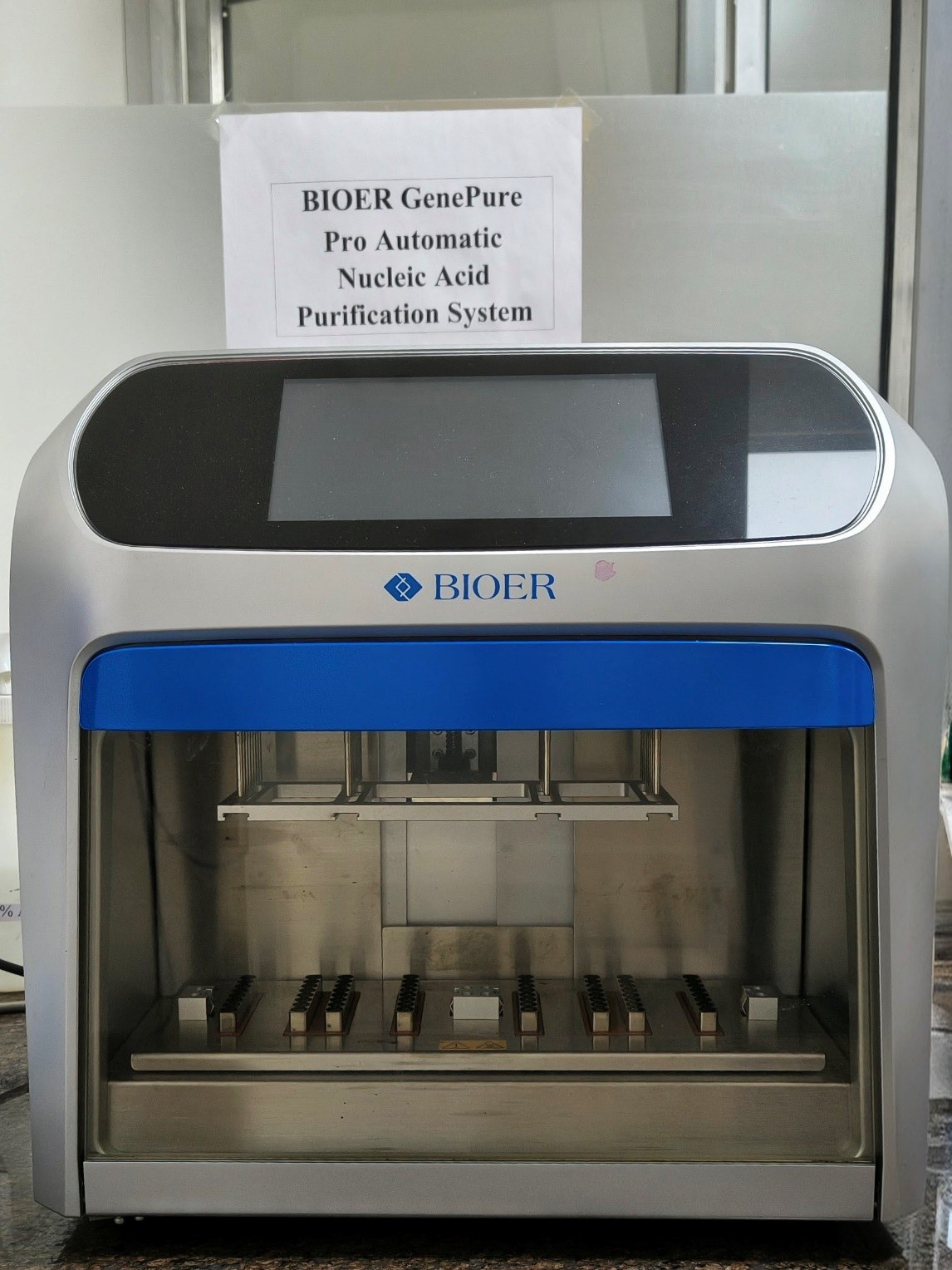
- NABL Accredited and ICMR Approved RTPCR Laboratory for Covid-19 testing
Surveillance
- Aerobic & Anaerobic organism surveillance for Operation Theatres
- MRSA surveillance of Medical & Paramedical staff.
- CAUTI, VAP, CLABSI, SSI HAI rates
Infection Control and Hospital Support
Hospital Infection Control Laboratory (HICL)
Supports infection surveillance, antimicrobial resistance monitoring, and hospital hygiene activities.
Antimicrobial Stewardship Support
Coordination with clinicians for rational antibiotic use and antibiogram preparation
Waste Management Facilities
Adherence to biomedical waste segregation and disposal as per regulatory guidelines.
Key Focus Areas
AI-Enabled Diagnostics & Laboratory Automation
- Artificial intelligence for microscopy, culture interpretation, and reporting
- Automated, high-throughput diagnostic platforms
- Decision-support systems integrated with hospital information systems
Antimicrobial Resistance (AMR) Intelligence
- Real-time AMR surveillance and data analytics
- Predictive modeling of resistance trends
- Institutional and regional antimicrobial stewardship leadership
Emerging & Re-emerging Infectious Diseases
- Early detection and characterization of novel pathogens
- Pandemic preparedness and response frameworks
- Zoonotic and climate-sensitive infections
Microbiome & Host–Microbe Interactions
- Human microbiome mapping and functional analysis
- Role of microbiota in immunity, metabolism, and disease
- Therapeutic modulation of microbiomes (probiotics, phage therapy)
Digital & Virtual Microbiology Education
- Virtual labs, simulations, and augmented reality learning
- Competency-based, outcome-driven curricula
- Adaptive learning platforms and digital assessments
One Health & Planetary Health Microbiology
- Integration of human, animal, and environmental microbiology
- Environmental surveillance (water, waste, air microbiology)
- Impact of climate change on infectious diseases
Biosafety, Biosecurity & Laboratory Resilience
- Advanced biosafety training and containment strategies
- Preparedness for biothreats and laboratory emergencies
- Ethical governance of high-risk microbiological research
Translational Research & Innovation
- Rapid translation of research into diagnostics and clinical tools
- Technology incubation and industry partnerships
- Intellectual property generation and commercialization
Public Health Surveillance & Policy Support
- Data-driven disease surveillance networks
- Support to national and regional health programs
- Evidence generation for public health policy and guidelines
Sustainable & Green Microbiology
- Environmentally responsible laboratory practices
- Waste minimization and energy-efficient technologies
- Sustainable consumables and reagent management
Global Collaboration & Capacity Building
- International research and training partnerships
- Faculty and student exchange programs
- Leadership in global infectious disease education