


Vission And Mission
To be a centre of excellence in Pathology, integrating high-quality diagnostics, innovative research, and comprehensive medical education for undergraduate and postgraduate students — thereby advancing medical knowledge and improving patient care.

Vision
To emerge as a nationally and internationally recognised leader in Pathology Education, Diagnostics, and Research, fostering innovation, academic excellence, and evidence-based medical practice for improved health and wellbeing.

Mission
- Diagnostic Excellence:
- Deliver accurate, reliable, and timely pathology services that enhance clinical decision-making and patient outcomes.
- Integrate state-of-the-art technologies and automation to ensure diagnostic precision, efficiency, and quality.
- Undergraduate Medical Education:
- Provide a strong foundation in pathology, linking disease mechanisms to clinical practice.
- Utilize innovative, learner-centric teaching methods such as case-based learning, digital pathology, and simulation-based laboratory sessions.
- Cultivate critical thinking, diagnostic reasoning, and early research engagement among students.
- Postgraduate Education & Training:
- Train postgraduate students to become competent, research-oriented pathologists with expertise in diagnostic pathology, laboratory management, and academic leadership.
- Offer exposure to advanced diagnostic modalities such as molecular pathology, cytogenetics, and immunohistochemistry.
- Encourage interdisciplinary collaboration with clinicians, researchers, and healthcare institutions to promote translational learning.
- Research & Innovation:
- Foster a vibrant, inquiry-driven research environment encouraging faculty and students to explore disease mechanisms, biomarkers, and novel diagnostic tools.
- Collaborate with national and international institutions to contribute to global advances in pathology and laboratory medicine.
- Professionalism & Ethical Practice:
- Uphold the highest ethical standards and professional values in diagnostic and academic practices.
- Maintain continuous quality improvement through adherence to ISO 15189 standards, accreditation processes, and best laboratory practices.
- Encourage lifelong learning and professional development among faculty and students.
- Community & Public Health Engagement:
- Support public health initiatives through disease surveillance, epidemiological studies, and community diagnostic outreach.
- Promote awareness and education on disease prevention and early detection through community-oriented programs and academic collaborations.
HOD Profile
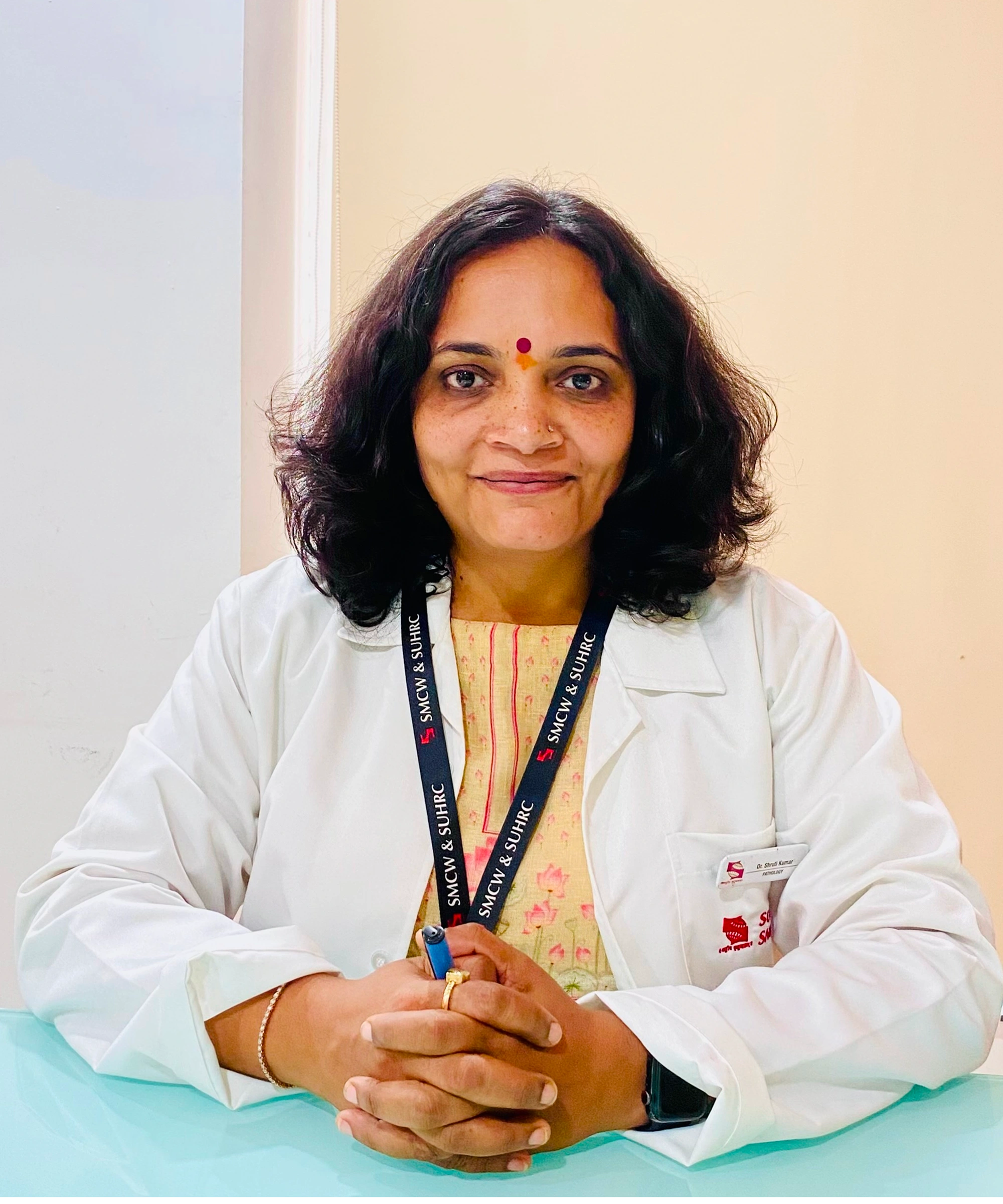
Dr. Shruti Vimal
Professor,MBBS,MD
Professor & Head, Department of Pathology Phase II Director | Research Mentor | Quality Management Lead
Professional Profile
Dr Shruti Vimal brings over 15 years of distinguished experience in teaching undergraduate and postgraduate medical students. As Phase II Director, she provides strategic leadership in medical curriculum planning, competency-based education, and implementation of modern pedagogical frameworks.
She has undergone advanced faculty training through the Basic and Advanced Courses in Medical Education (BCME, ACME) and Curriculum Implementation Support Program (CISP III) at KEM Mumbai, with a strong emphasis on Competency-Based Medical Education (CBME) methodologies. Her approach combines scientific rigor, innovation, and a commitment to holistic medical education.
Teaching & Curriculum Leadership
An ardent educator, Dr Vimal is deeply involved in curriculum design, faculty development, and evaluation reform. She has guided numerous faculty and postgraduate students in adopting learner-centric, outcome-based teaching methods. Her leadership ensures that pathology training remains clinically relevant, research-oriented, and aligned with national competency standards.
Diagnostic & Research Expertise
In diagnostic pathology, her key areas of specialization include histopathology, cytology, hematology, immunohistochemistry, and immunofluorescence.
She has made significant contributions through original research and publications, with over 50 indexed articles in reputed national and international journals. As a recognized research advisor, she has mentored multiple undergraduate and postgraduate dissertations, promoting scientific inquiry and ethical research practices.
Her continual pursuit of excellence is reflected in specialized certifications in gastrointestinal pathology, transfusion medicine, lymph-node pathology, and research methodologies, enhancing both her diagnostic depth and teaching precision.
Institutional Governance & Quality Assurance
Beyond academics, Dr Vimal has been instrumental in strengthening institutional governance, accreditation, and quality assurance. She is a trained internal auditor under ISO 15189:2012 standards and contributes actively to Quality Management Systems in medical laboratories.
Her administrative portfolio includes serving as:
- NAAC Criteria Head
- Member, College Admissions Committee
- Faculty Coordinator, Student College Magazine
- Member, Institutional Ethics Committees (including external institutions)
These roles highlight her balanced focus on academic integrity, operational excellence, and student engagement.
Academic Honors & Recognitions
- Chaired scientific sessions at multiple national and state conferences
- Served as judge and resource person for undergraduate and postgraduate research competitions
- Received institutional recognition for contributions to medical education reform and quality enhancement (Add specific awards or fellowships here if applicable, e.g., 'Recipient of the XYZ Award for Excellence in Medical Teaching, 2023')
- Member, Institutional Ethics Committees (including external institutions)
Vision as Head of Department
Dr Shruti Vimal envisions the Department of Pathology as a centre of academic excellence and diagnostic precision, integrating evidence-based education, cutting-edge technology, and collaborative research. Her leadership aims to strengthen the department’s role as a bridge between basic medical science and clinical practice, nurturing competent, ethical, and research-minded future physicians.
Core Areas of Leadership
- Curriculum Design & CBME Implementation
- Histopathology, Cytology & Hematology Services
- Academic Mentoring & Research Supervision
- Quality Assurance in Medical Laboratories (ISO 15189)
- Institutional Accreditation & Governance
- Faculty Development & Student Engagement
Infrastructure Facilities
| Labs and Rooms | Count |
|---|---|
| Research Laboratory | 01 |
| Library | 01 |
| Seminar Room | 01 |
| Morbid Anatomy | 01 |
| Cytology lab | 01 |
| Hematology Lab | 01 |
| Clinical Pathology Lab | 01 |
| Museum | 01 |
| Practical Labs | 02 |
| Histopathology lab | 01 |
| Demonstration Room | 01 |
| Faculty Rooms | 11 |
Library, the learning cente
The Department of Pathology has the latest and greatest in the list of medical reference books, journals Educational DVD & CD's. Books on General, Systemic and Surgical Pathology for diagnostic work are all available with 100+ books already and counting. The library also offers a quiet and ample space for students and patrons to peacefully spend time reading and enhancing their knowledge.
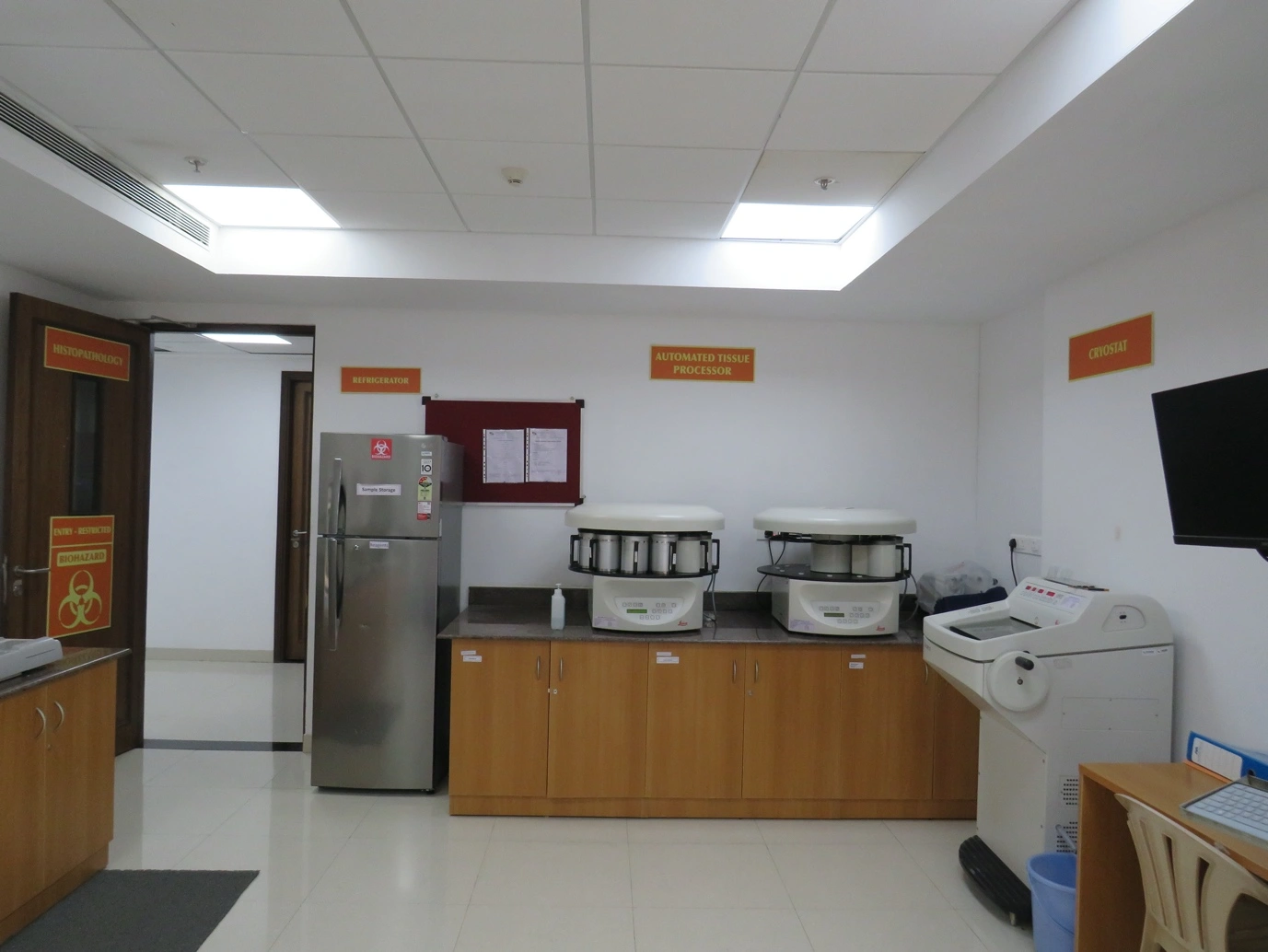
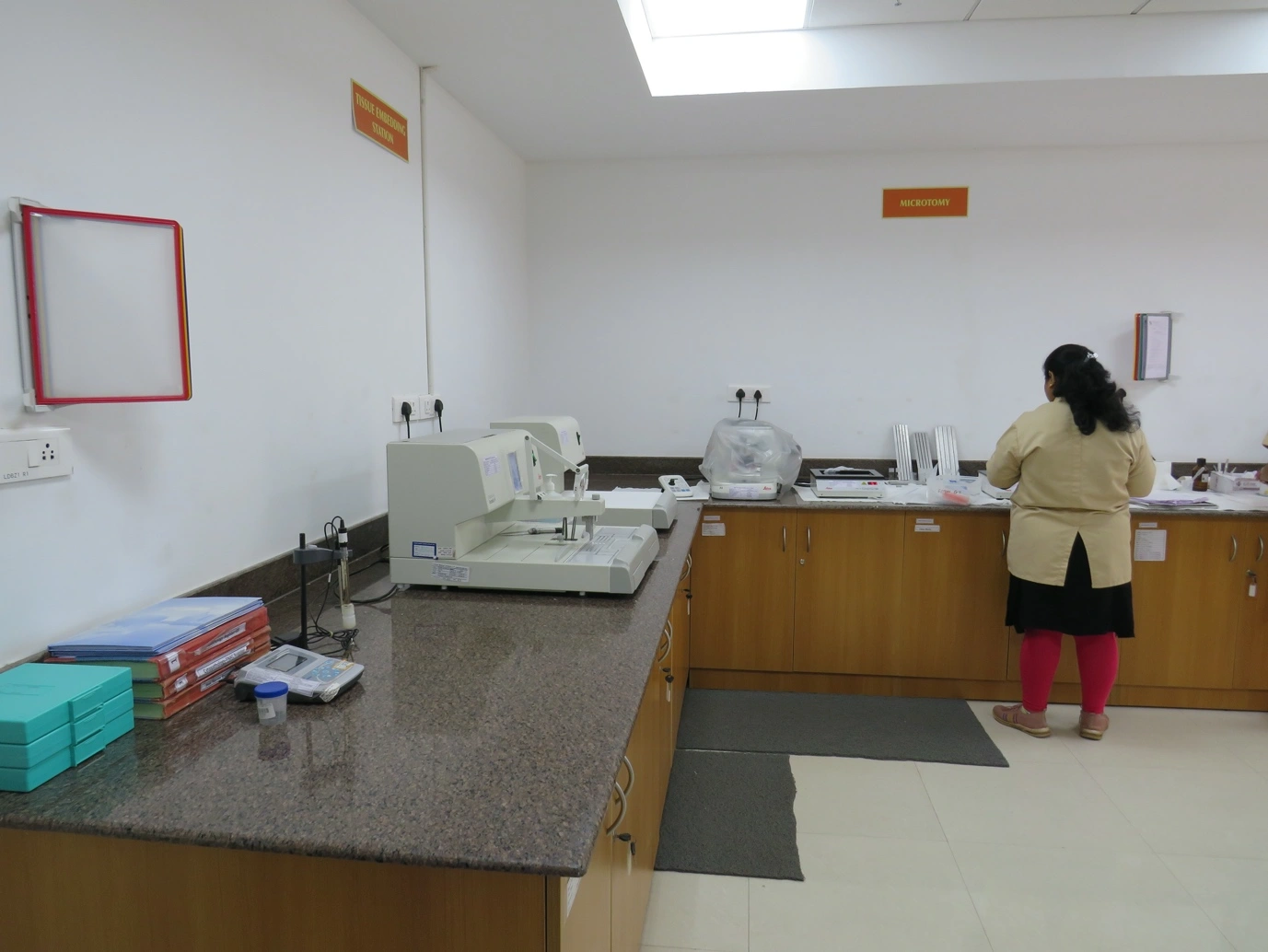
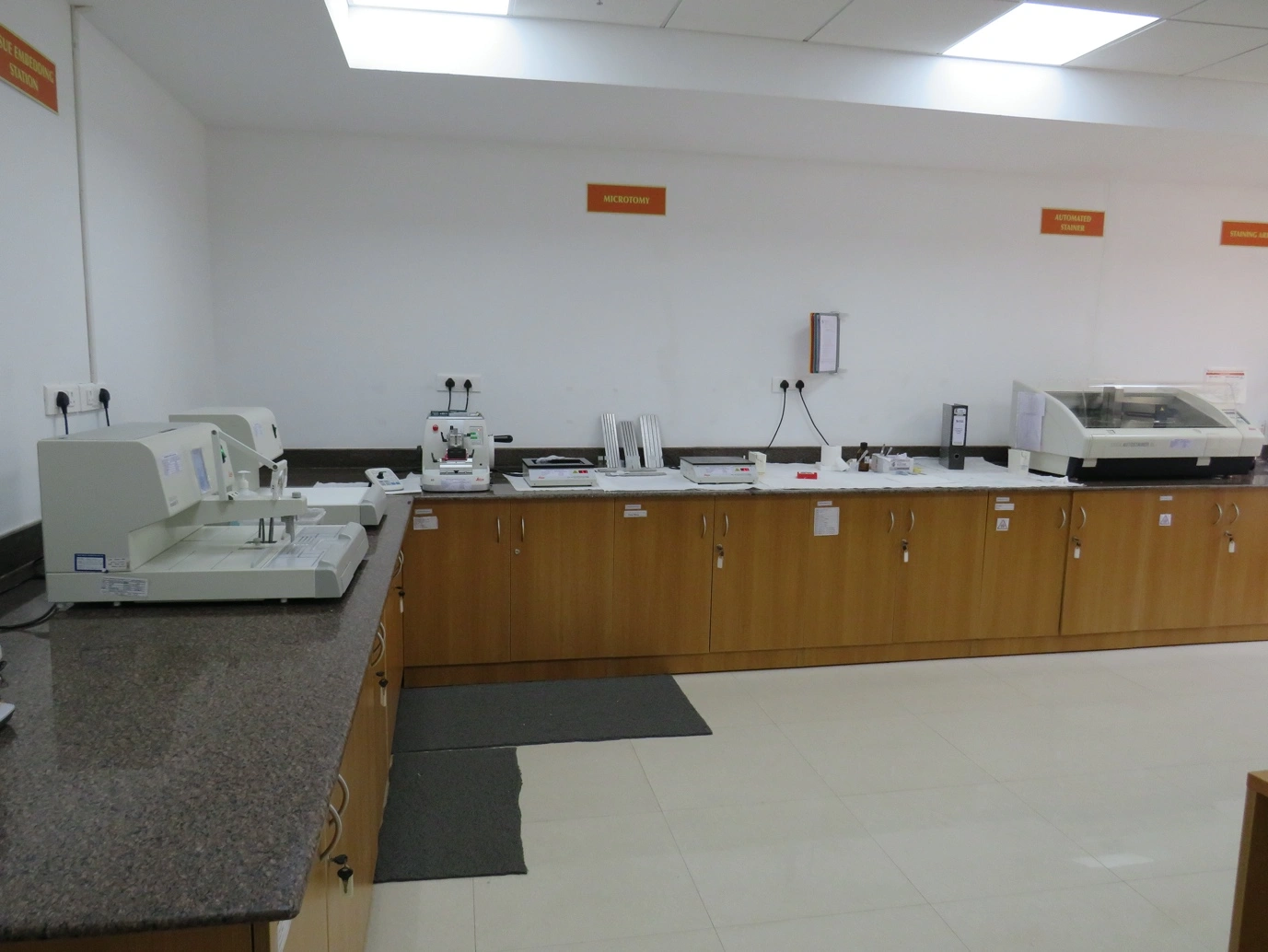
Facilities, equipment and Instruments:
The following essential and key elements in pursuit of imparting training and performing research are available and constantly getting added to in the Dept. of Pathology
| Facility | Usage |
|---|---|
| Histotechniques set up Laboratory | Technical |
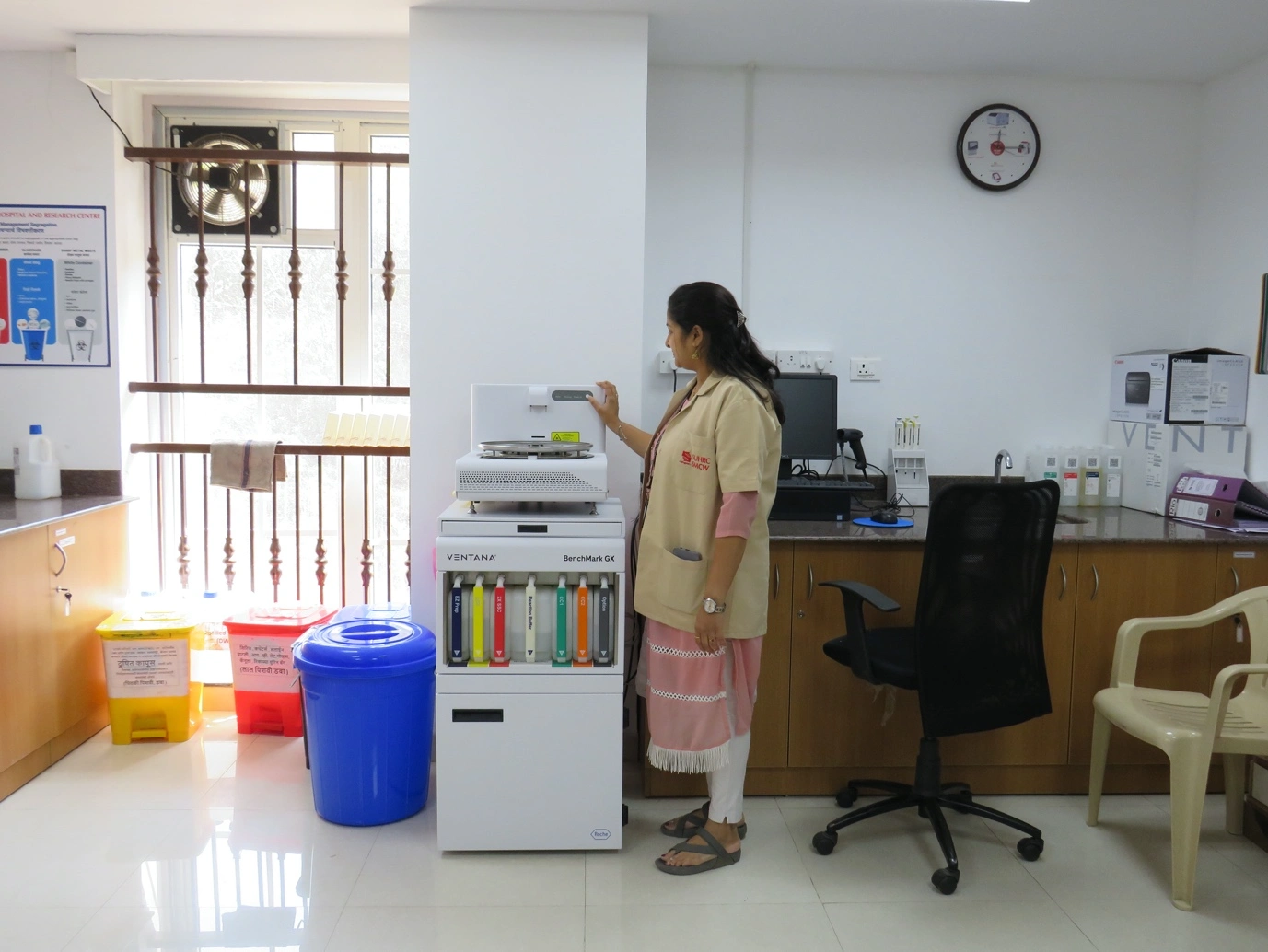
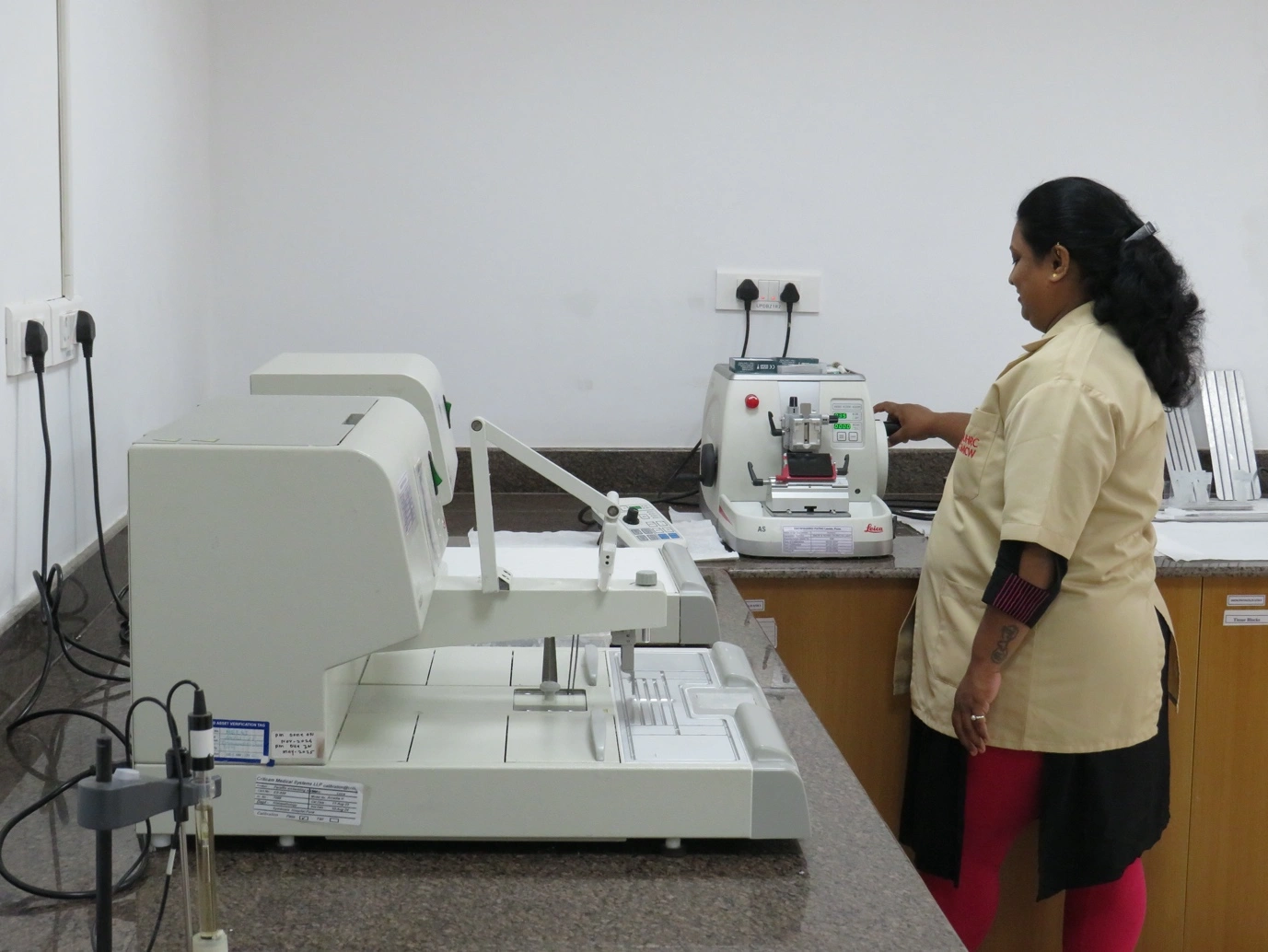
| Automated-Tissue-Processor | Technical |
| Departmental-Library | Enhancement |
| Cryostat | Technical |
| Microscopic Photography | Technical |
| Telepathology | Enhancement |
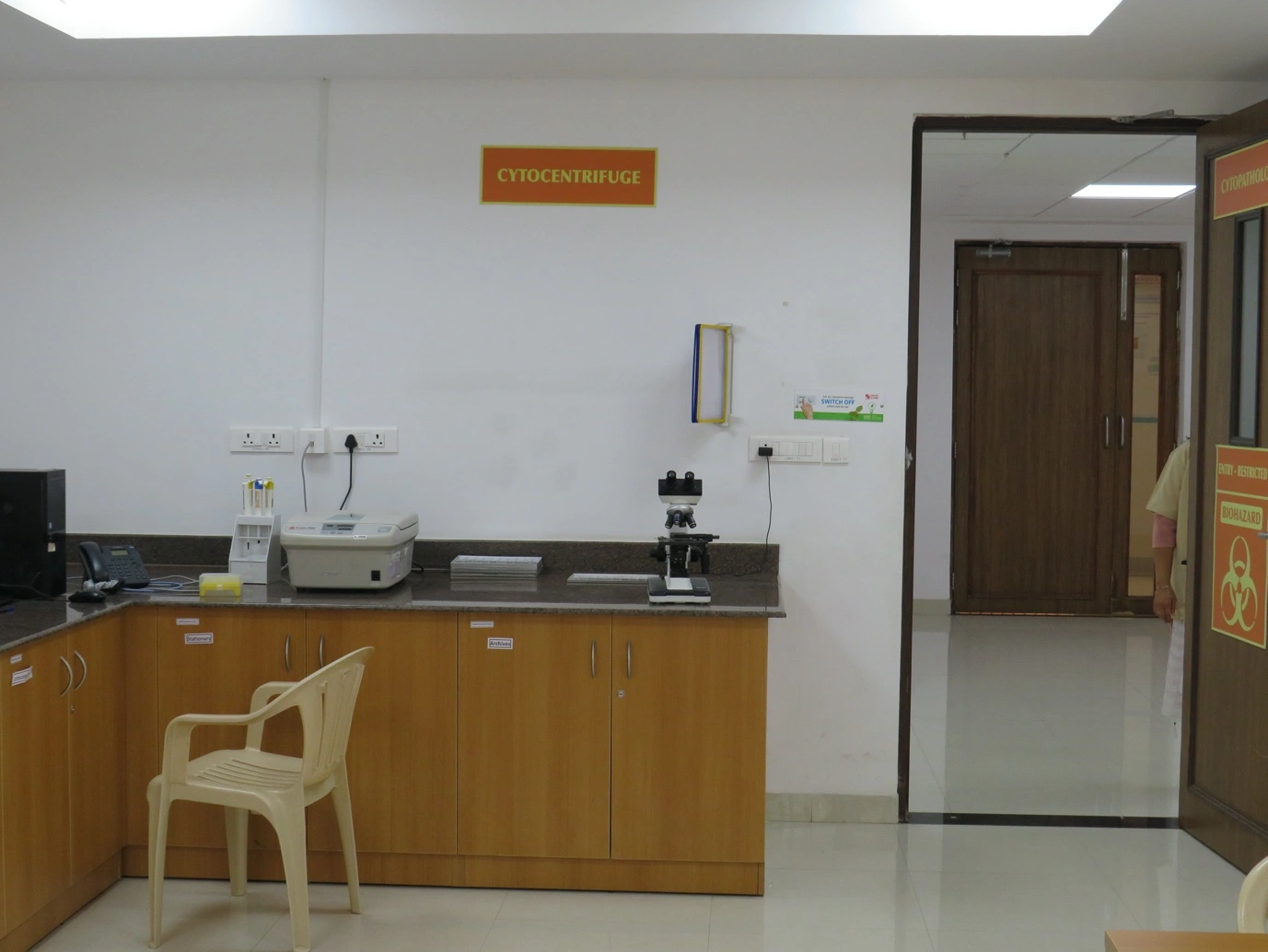
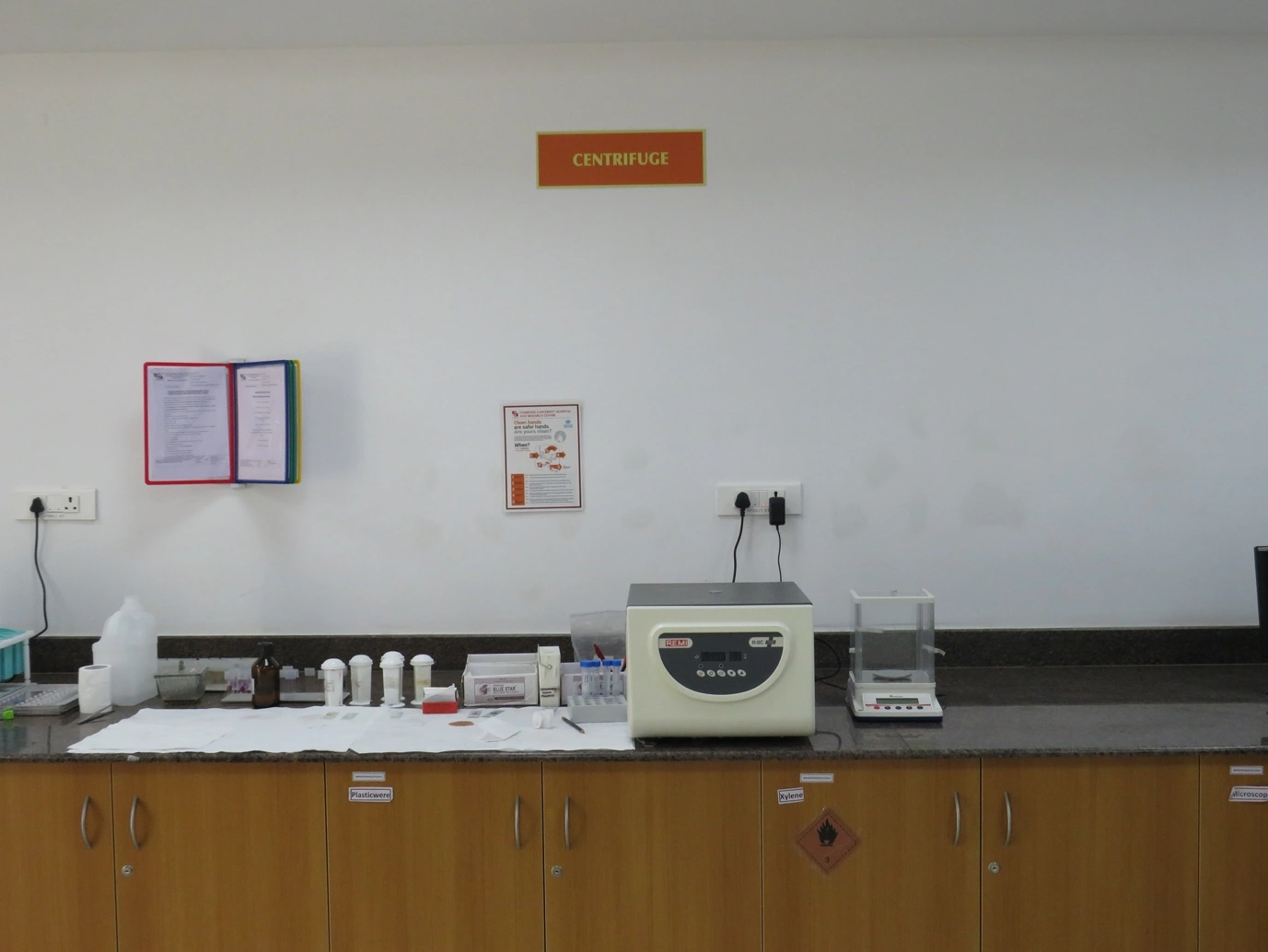
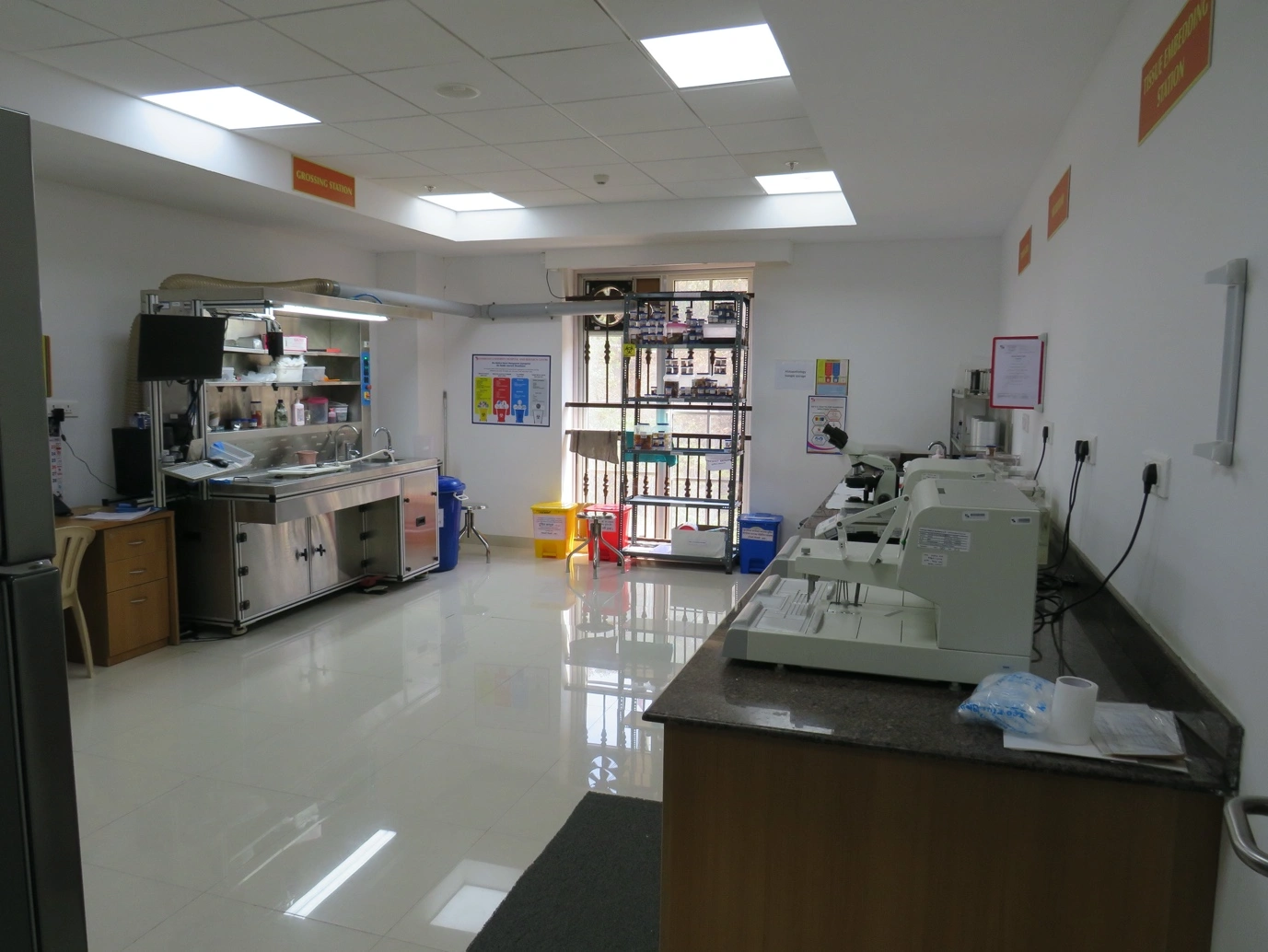
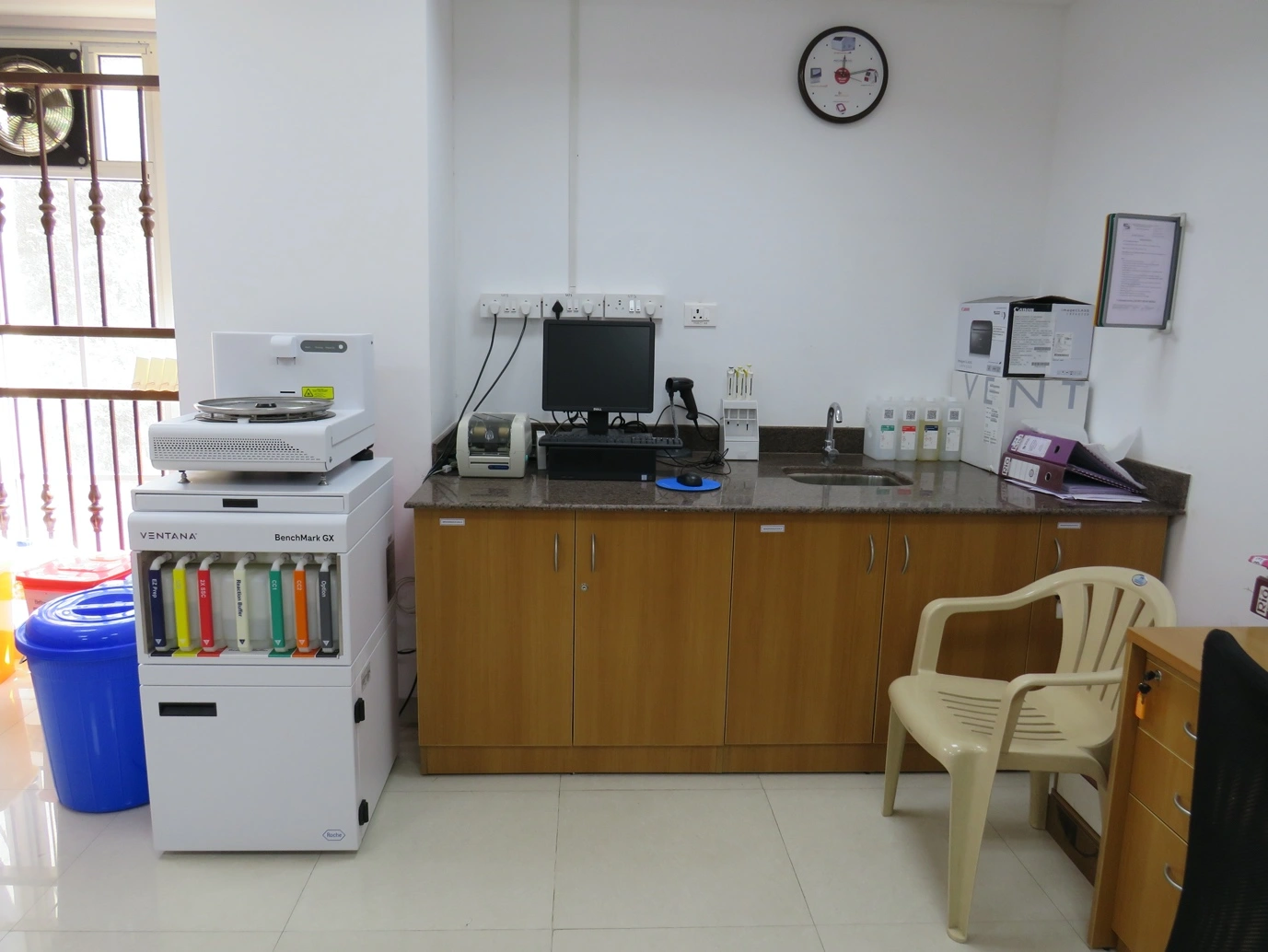
Central Clinical Laboratory
Museum
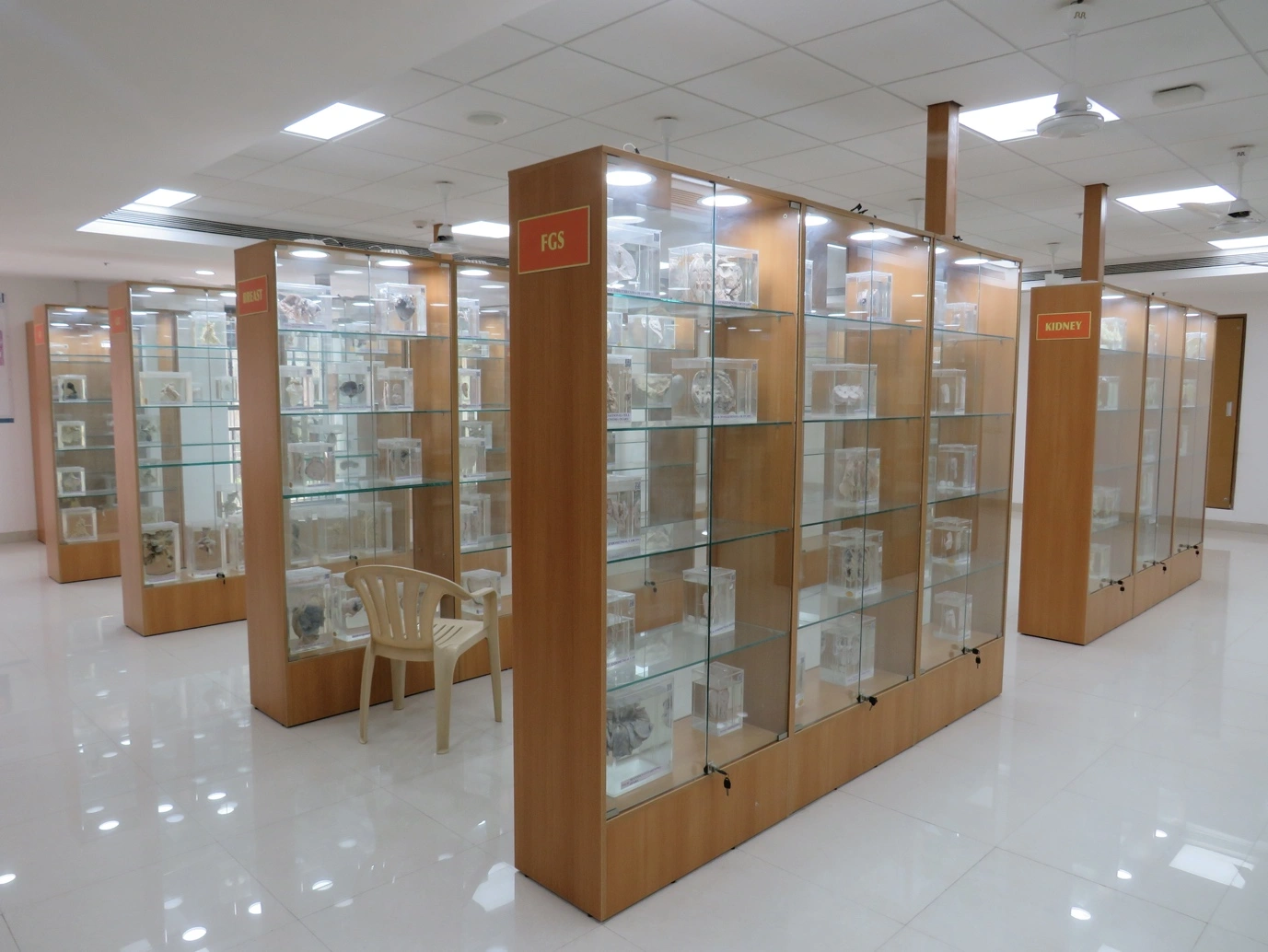
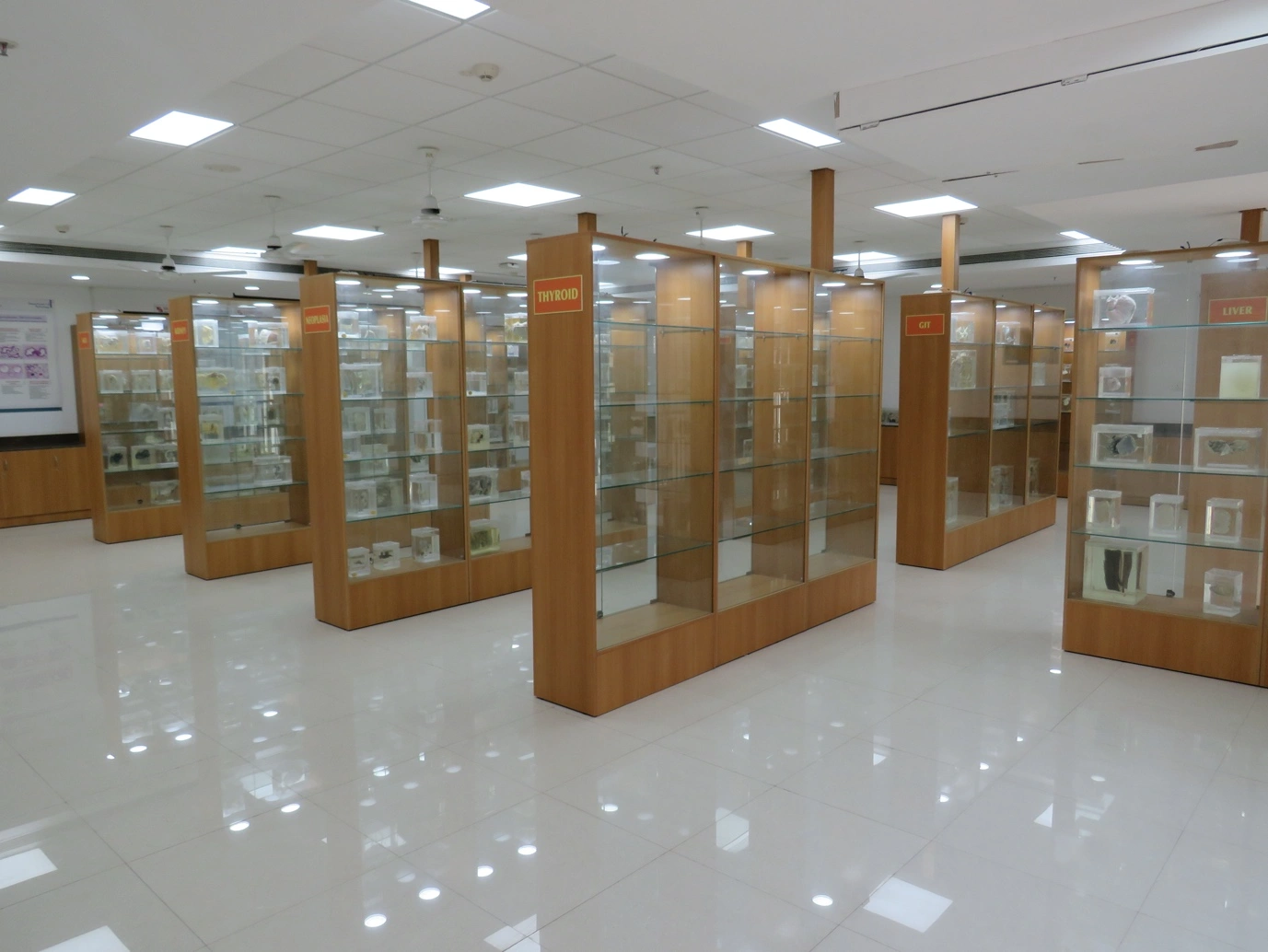
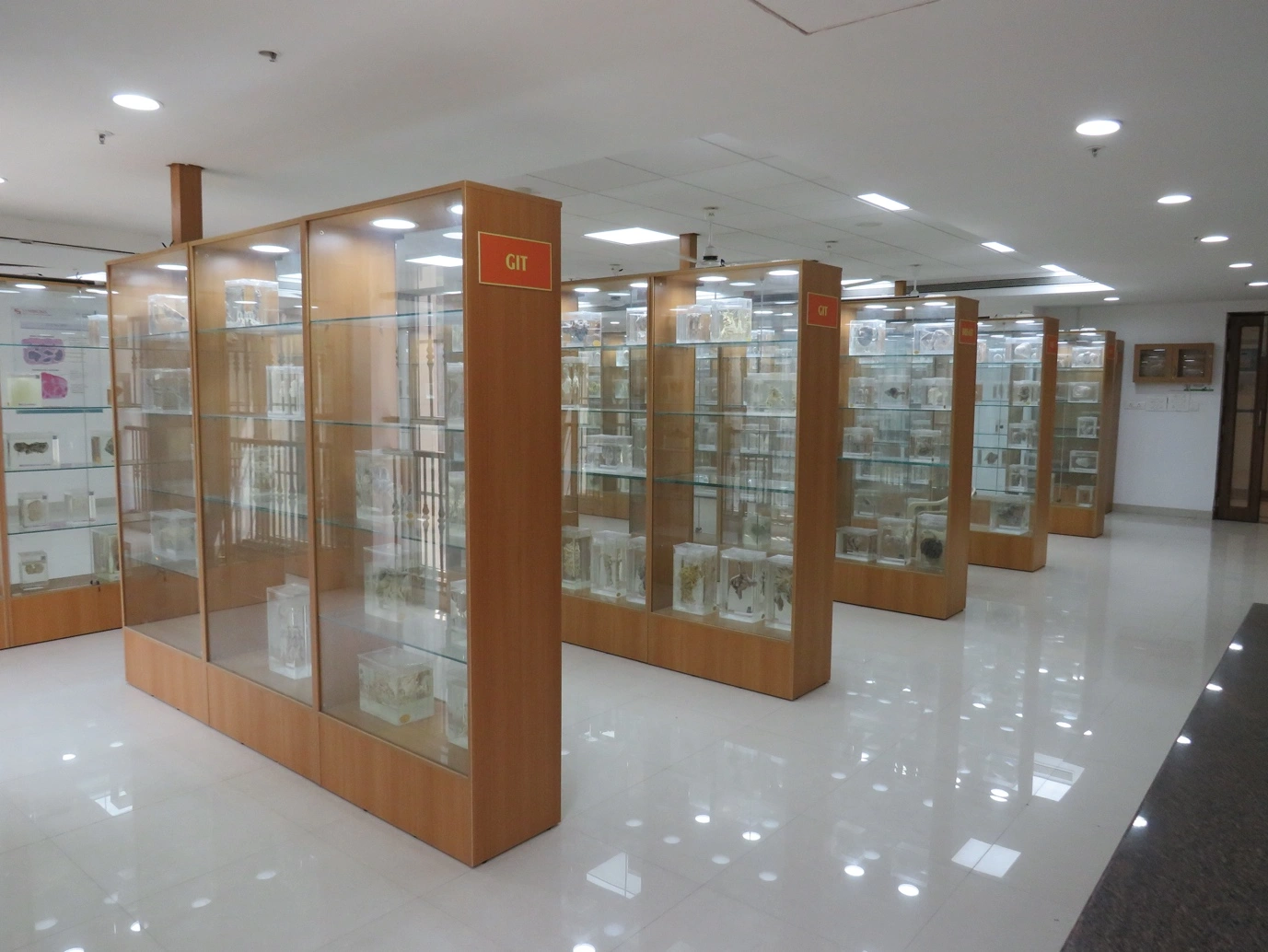
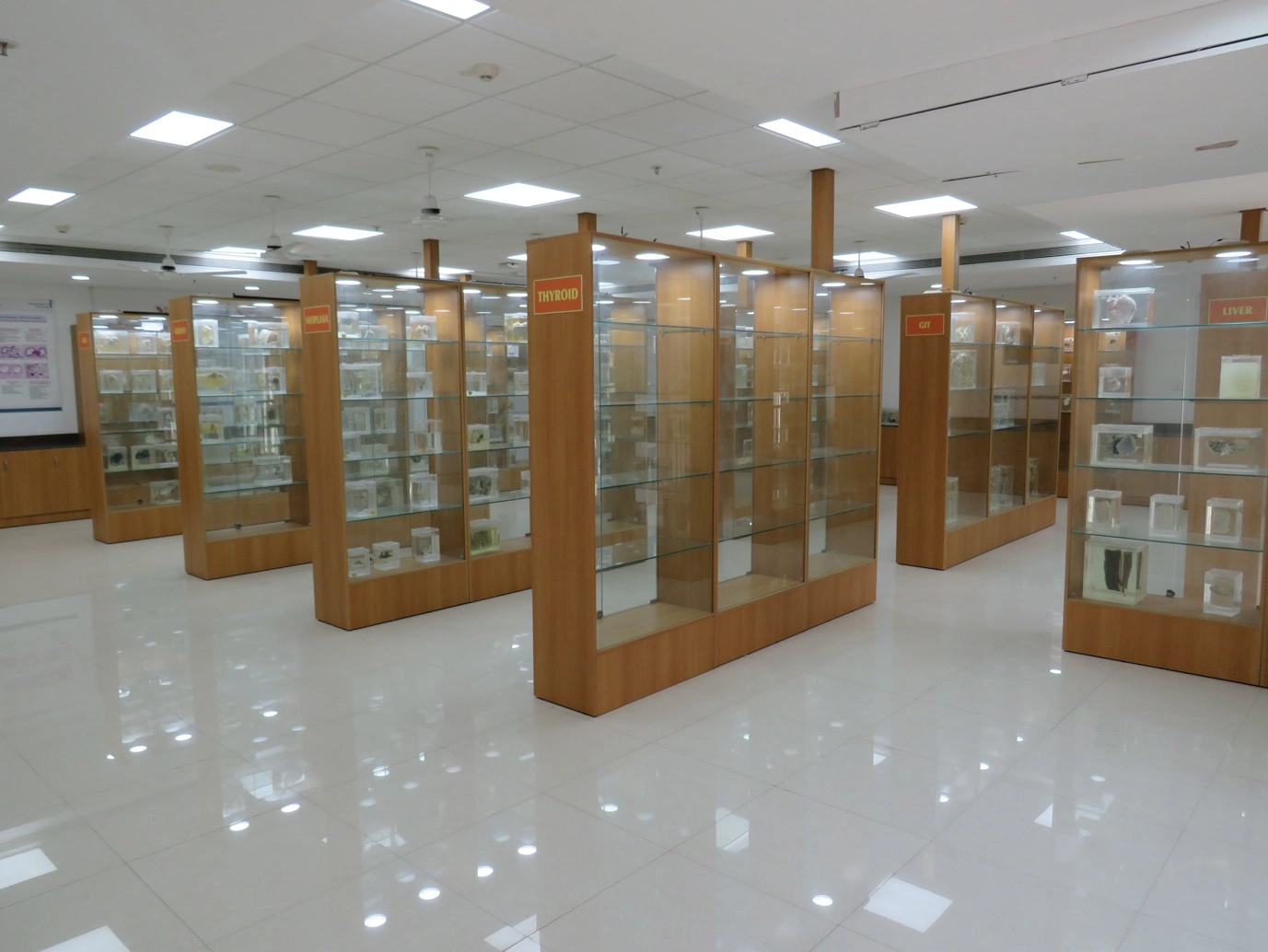
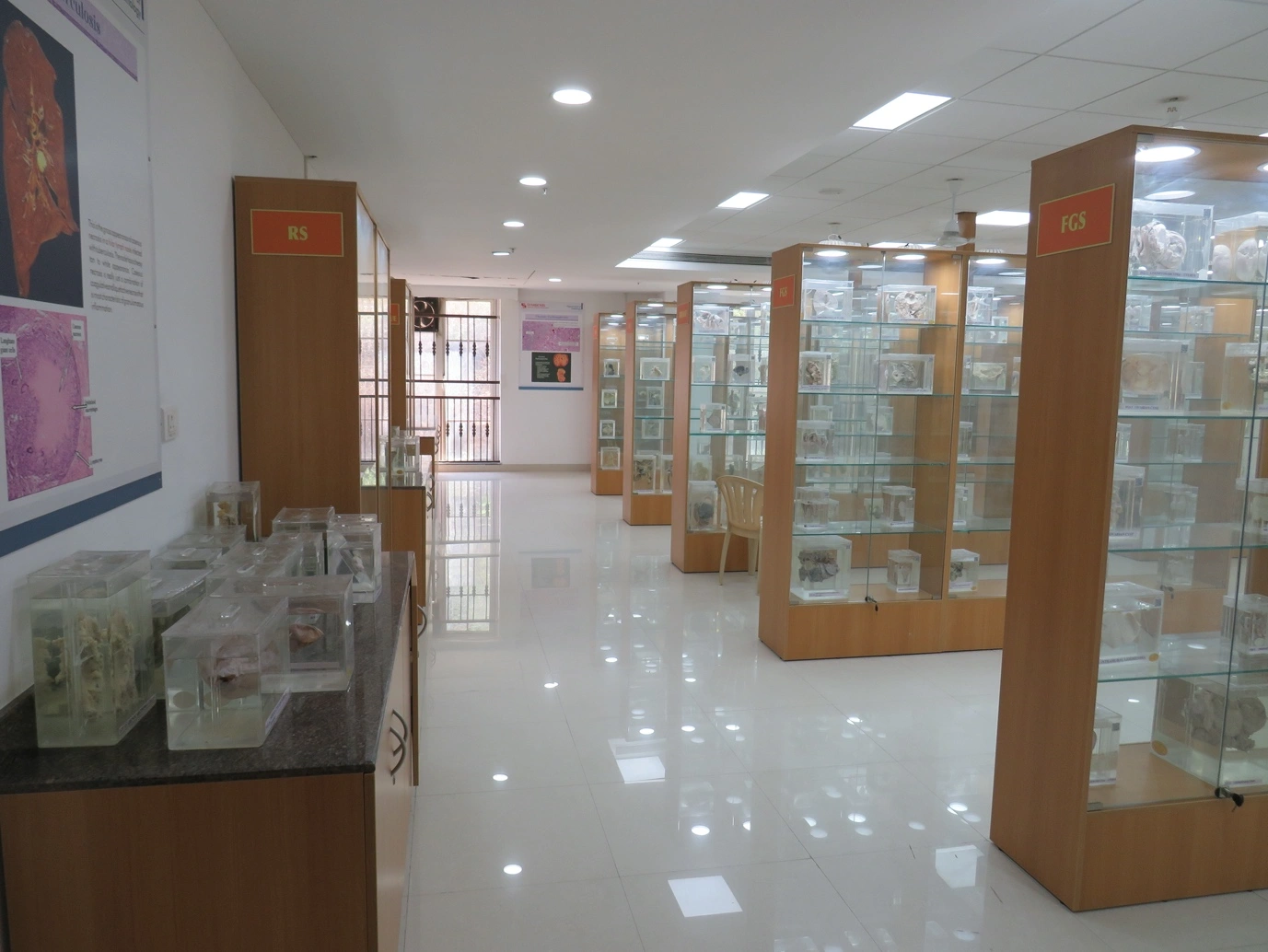
The Museum of Pathology serves as an educational hub showcasing a variety of gross specimens and models illustrating both normal and diseased conditions. It offers students a hands-on understanding of structural abnormalities in human organs.
Students and faculty frequently use the museum for academic discussions, demonstrations, and case-based learning. The museum’s organized layout and well-maintained specimen catalog make it an excellent resource for medical education.
Meet Our Faculty
Dr. Shruti kumar
MBBS, MD (Pathology)
Professor & HOD
shruti.vimal@smcw.siu.edu.in
Dr. Pallavi Chaudhari
MBBS, DNB, PDF Onco (Pathology)
Associate Professor
pallavi.chaudhari@smcw.siu.edu.in
Dr. Rashmi Sawant
MBBS, DCP, DNB (Pathology)
Associate Professor
rashmi.jadhav@smcw.siu.edu.in
Dr. Madhuri Dindalkoppa
MBBS, MD (pathology)
Associate Professor
madhuri.dindalkoppa@smcw.siu.edu.in
Dr.Pratiksha Naval
MBBS DNB (Pathology)
Assistant Professor
pratiksha.nawal@smcw.siu.edu.in
Dr. Harshala Pandit
MBBS, MD (Pathology)
Assistant Professor
harshala.lokhande@smcw.siu.edu.in
Dr. Rohan Bhavthankar
MBBS, DNB, DipRCPath(UK)
Assistant Professor
rohan.bhavthankar@smcw.siu.edu.in
Dr. Nupoor Mehta
MBBS, MD (Pathology)
Assistant Professor
nupoor.mehta@smcw.siu.edu.in
Dr. Mayuri Ankush Kute
MBBS MD Pathology
Assistant Professor
mayuri.kute@smcw.siu.edu.in
Dr. DattaRaj Shivaji Karade
MBBS , DNB (Pathology)
Senior Resident
dattaraj.karade@smcw.siu.edu.in
Research Publications
All the faculty members are regularly involved in research and have a total of 83 publications to their credit in various National and International journals.
Services
| Equipment | Patient care provided |
| Diagnostic Services |
|
| Laboratory Services |
|
| Academic & Training Programs |
|
| Research & Innovation |
|
| Quality Assurance & Ethical Oversight |
|
| Community and Public Health Initiatives |
|
Key Focus Areas
Advanced Diagnostic & Precision Pathology
The Department of Pathology is committed to delivering accurate, timely, and clinically impactful diagnostic services through integration of advanced technologies and precision medicine.
- Comprehensive diagnostic services in histopathology, cytopathology, hematology, and clinical pathology
- Integration of immunohistochemistry (IHC), immunofluorescence, flow cytometry, and molecular diagnostics
- Support for precision oncology through predictive and prognostic biomarkers and companion diagnostics
- Intraoperative pathology services including frozen section and touch imprint cytology for real-time surgical decision-making
Outcome:
Enhanced diagnostic accuracy, reduced turnaround time, and personalized patient care.
Digital, Computational & AI-Enabled Pathology
The department is progressively transitioning towards digital and computational pathology to improve diagnostic consistency, efficiency, and academic reach.
- Implementation of whole slide imaging (WSI) and virtual microscopy
- Adoption of AI-assisted diagnostic tools for screening, grading, and prognostication
- Digital archiving for diagnostics, teaching, audits, and telepathology consultations
- Integration of pathology data with hospital information systems (LIS/HIS)
Outcome:
Technology-driven diagnostics with improved reproducibility and remote expert accessibility.
Competency-Based Medical Education & Advanced Training
The department plays a pivotal role in undergraduate and postgraduate medical education through outcome-oriented, competency-based learning models.
- Undergraduate (MBBS): Competency-Based Medical Education (CBME) with case-based, integrated, and problem-solving approaches
- Postgraduate (MD/DNB): Advanced diagnostic training, subspecialty exposure, research orientation, and laboratory management skills
- Skill-based training through digital slides, simulation-based modules, clinico-pathological conferences, and interdisciplinary teaching
Outcome:
Development of competent, ethical, and globally relevant pathologists.
Translational Research, Innovation & Bio banking
The department fosters a strong research culture focused on translational and clinically relevant outcomes.
- Faculty-led mentorship in research methodology, dissertation writing, grant applications, and scientific publications
- Multidisciplinary translational research in disease mechanisms, biomarkers, and emerging diagnostic technologies
- Development of ethically governed tissue and fluid biobanks to support future research
- Collaboration with academic institutions, research organizations, and industry partners
Outcome:
Bridging laboratory research with patient care and enhancing institutional research impact.
Laboratory Quality Management, Automation & Accreditation
The department operates under a robust Quality Management System aligned with national and international standards.
- Compliance with ISO 15189:2022 and NABL guidelines
- Participation in Internal and External Quality Assurance Programs (IQAS & EQAS)
- Implementation of laboratory automation, Lean and Six Sigma principles
- Continuous monitoring through audits, risk-based quality management, and corrective action plans
Outcome:
Reliable, standardized, and audit-ready laboratory services with high clinical confidence.
Pathology Informatics & Data Science
The department recognizes pathology as a key contributor to clinical intelligence and data-driven healthcare.
- Structured and synoptic reporting for improved clinical communication
- Use of pathology data analytics for disease trend analysis and quality improvement
- Integration of diagnostic data into institutional clinical decision-support systems
- Secure digital data management aligned with institutional and national guidelines
Outcome:
Transformation of pathology into a data-enabled, decision-support specialty.
Ethics, Governance & Professional Accountability
Ethical practice and governance remain central to all departmental activities.
- Strict adherence to patient confidentiality, transparency, and professional conduct
- Faculty participation in Institutional Ethics Committees and research governance
- Ethical oversight of molecular testing, digital pathology, AI applications, and bio banking
- Responsible data privacy and compliance with regulatory frameworks
Outcome:
Sustained institutional credibility and public trust.
Public Health, Preventive Pathology & Community Engagement
The department actively contributes to public health initiatives through preventive and population-based pathology services.
- Participation in screening programs for cancer, anemia, and infectious diseases
- Support for disease surveillance, cancer registries, and epidemiological studies
- Health education initiatives highlighting the role of pathology in early diagnosis and prevention
- Collaboration with clinical departments and public health agencies
Outcome:
Strengthened community health outcomes and preventive healthcare delivery.
Global Collaboration & Academic Leadership
The department is committed to continuous academic growth and global engagement.
- Participation in national and international conferences, CMEs, and workshops
- Academic collaborations and exchange programs with leading institutions
- Promotion of online learning platforms, webinars, and global pathology networks
- Faculty development programs to maintain academic leadership
Outcome:
Globally connected faculty and students with enhanced academic visibility.